WORDS: ELENA BERCHERMEIER
PHOTO: PAROLE DURE / DEATHTOSTOCK
Opinion
What if we finally made peace with summer? Stopped treating it as a season in which everything has to be optimised, and let it be what it can also be: a warm embrace, the kind you stay in a moment longer, feeling your body unclench.
Summer runs at its own pace. Heat at today’s extremes, and our habit of ducking into the shade whenever we can, are enough to shrink how far we move. We need more breaks.
Warmth is comfort, of course. Warmth is a long exhale, a lean back into the chair. And warmth is one of the loveliest excuses there is for doing everything a little more slowly. It is also something we have little say over, as the past few months made plain.
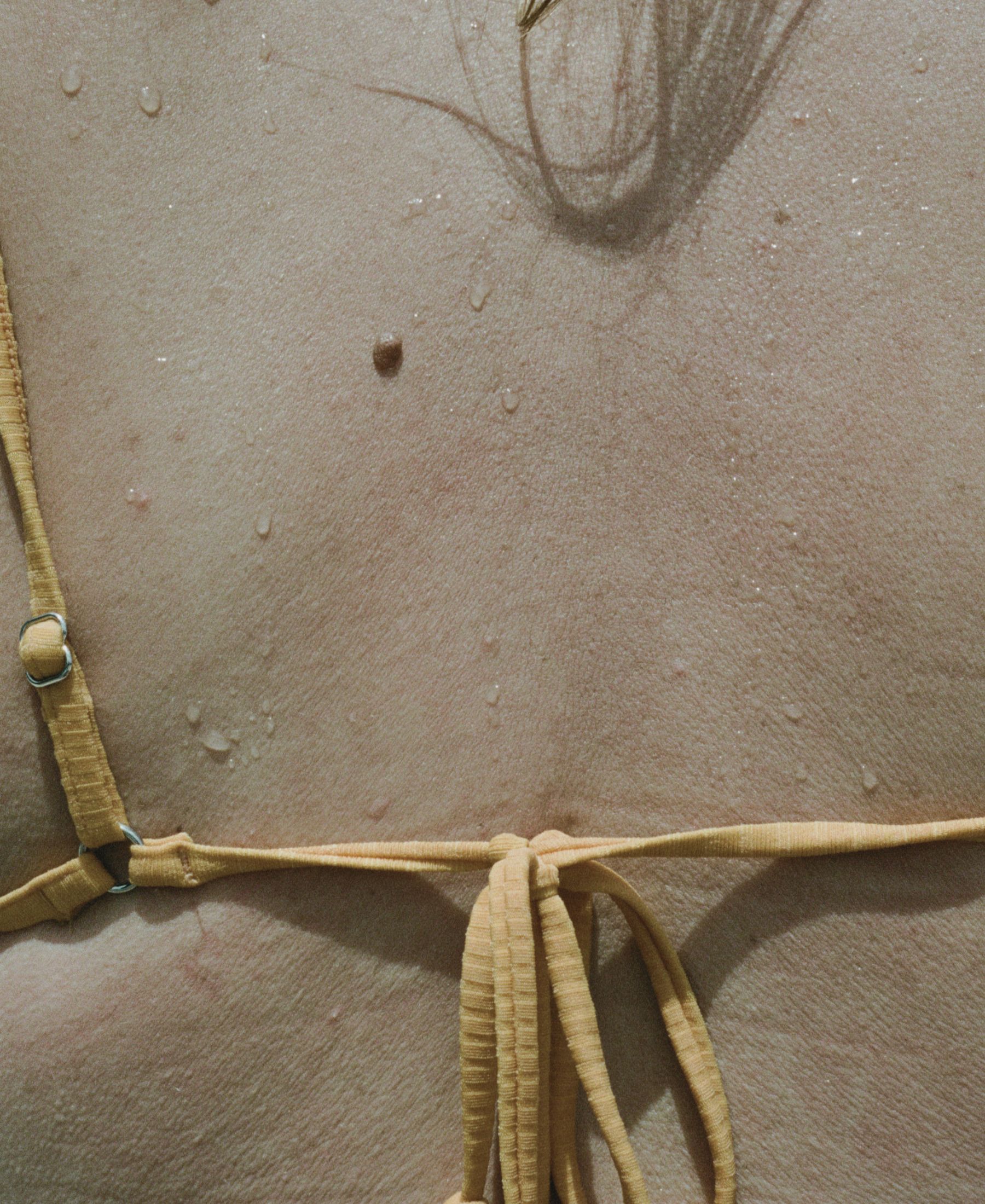
The body is where it shows. It grows heavier and won’t be ignored: it sweats, sleeps badly, feels at once weightier and softer. It changes. Summer alters how we feel. Our days, and what we demand of ourselves, carry on regardless.
Longevity has its merits, and so does wanting to make the most of every day. But summer needn’t be one long optimisation project. What we want is to support the body. If it slows down and manages less, discipline has nothing to do with it. This is a natural response, and one worth accepting. Perhaps the answer is to ask less of ourselves and go a little easier. To breathe out and pay attention to what the body does as the temperature climbs. Rather a lot, as it turns out.
Our bodies, their rules
Kristie Ebi, an epidemiologist and professor at the University of Washington, has spent more than 30 years studying, among other things, how heat and health interact. What her work makes clear, above all, is how the body copes. When it gets hot, blood flow to the skin increases, which in turn drives sweating, so that core temperature holds as steady as possible. The heart and circulation work harder while the body sheds fluid and minerals. It’s a strain. We tire more quickly, react more slowly and struggle to concentrate, because the body’s attention is elsewhere.
Daily life, meanwhile, barely adjusts. Meetings go ahead however hot or sleepless the night. Deadlines stay put even when a clear thought is out of reach. Everything is expected to carry on as before.
In August 2025 the WHO and the WMO put a number on it. Their joint report, Climate Change and Workplace Heat Stress, finds that productivity begins to fall measurably once heat stress reaches 20 degrees on the wet-bulb globe temperature, a measure that accounts for humidity, wind and sunlight as well as air temperature. The drop is two to three per cent, on average, for every degree beyond that. Work remains possible. It just gets harder with every degree.
Perhaps we simply need more breaks, for the mind as well. Things move more slowly up there, too. Some days our thoughts go no further than a good ice cream and somewhere shady to sit. Here, too, something has shifted in recent years: we want to protect ourselves, so we withdraw. We trade full sun for the warmth under a tree, which is the better seat anyway for looking up at the sky, listening to the branches and watching the leaves move.
Giving in to summer is also a privilege. Plenty of people can’t escape the midday heat, lighten their load or fit their day to the season. Nobody working in care, hospitality, farming, logistics or construction can simply decide to spend the rest of the afternoon in the shade.
Which is exactly why a break shouldn’t be a luxury. Nor should it be something you have to earn.
Working life can adapt to heat, argues Esther Lynch, general secretary of the European Trade Union Confederation. Heatwaves are predictable, she says, and their harm can be limited with preparation. She wants clear temperature limits set according to workplace and task, and binding plans for extreme weather. ‘Employers need to recognise that heat is now a predictable work-related risk,’ she told Euronews Health in June 2026.

When the body does the talking
It isn’t only the logic of work that expects the body to perform at any temperature. Language has shifted, too. The summer body stopped being a goal a while ago. It can simply mean the body we have in summer, one we meet with some goodwill, knowing that sleep matters, and that it isn’t the same in July as in November.
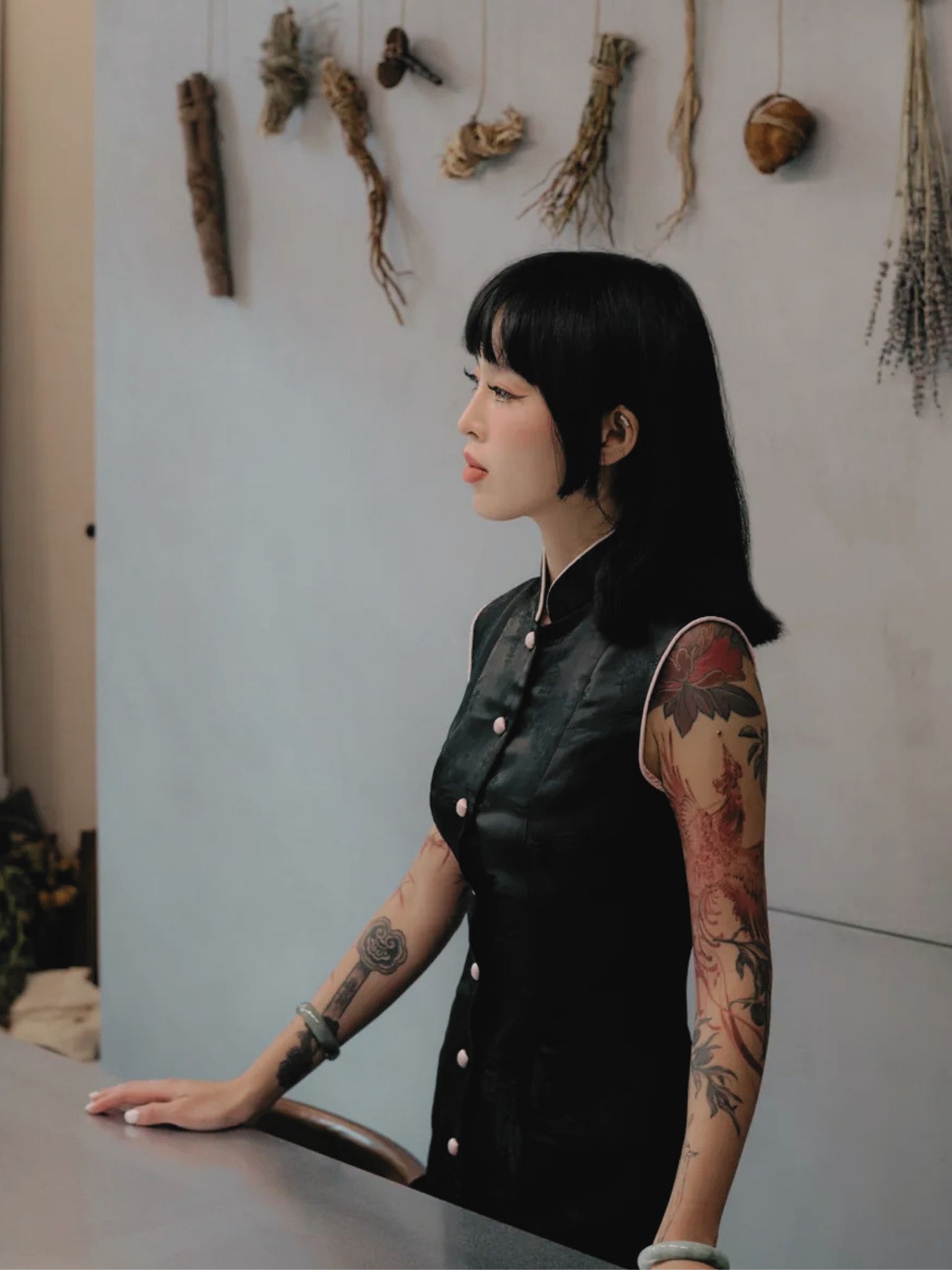
The skin, too, responds to heat on its own, says the cosmetic scientist Dr Meike Streker. In summer it thickens, and the tan that comes with it is part of its defence.
That sounds caring. Often, though, there’s an urge to biohack lurking behind it. Even rest has to be perfect. Electrolytes are having a moment because they rebalance our fluids, sleep tech watches over our nights, and we audition the most efficient recovery routines on offer. Whatever happened to the plain sweetness of doing nothing, so often the most restful thing of all? Does rest still work once it’s been scheduled rather than enjoyed?
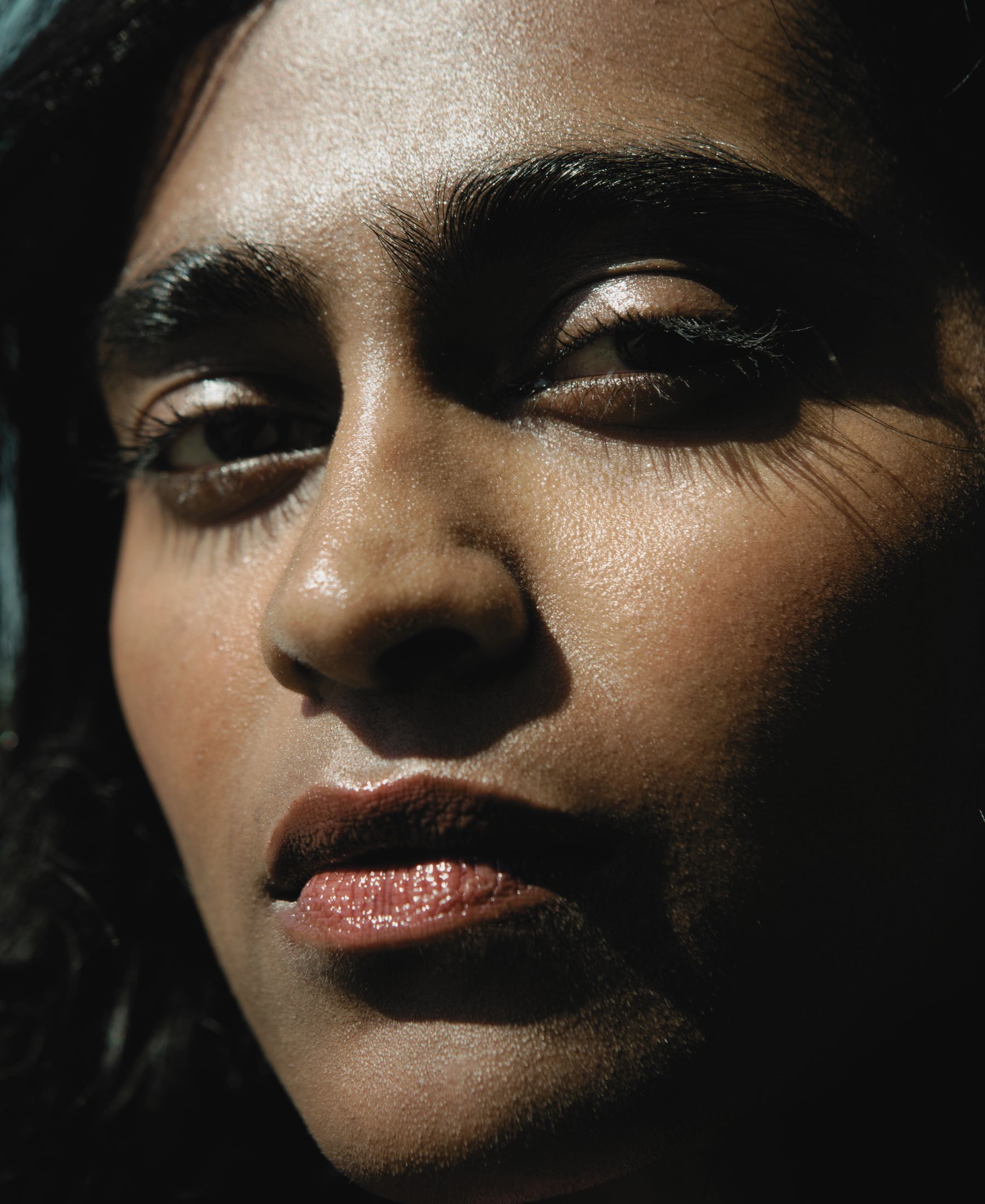
There’s no need to train for summer quite so hard. The body does its own preparing, and decides for itself how it wants to be: a little slower, a little less driven. Some days it’s more tired and shiny with sweat. On others it’s puffy and doesn’t quite feel like ours. We can notice without passing judgement. Or, to put it another way, summer is a fine time to let the longevity goals and the self-optimising quietly melt.
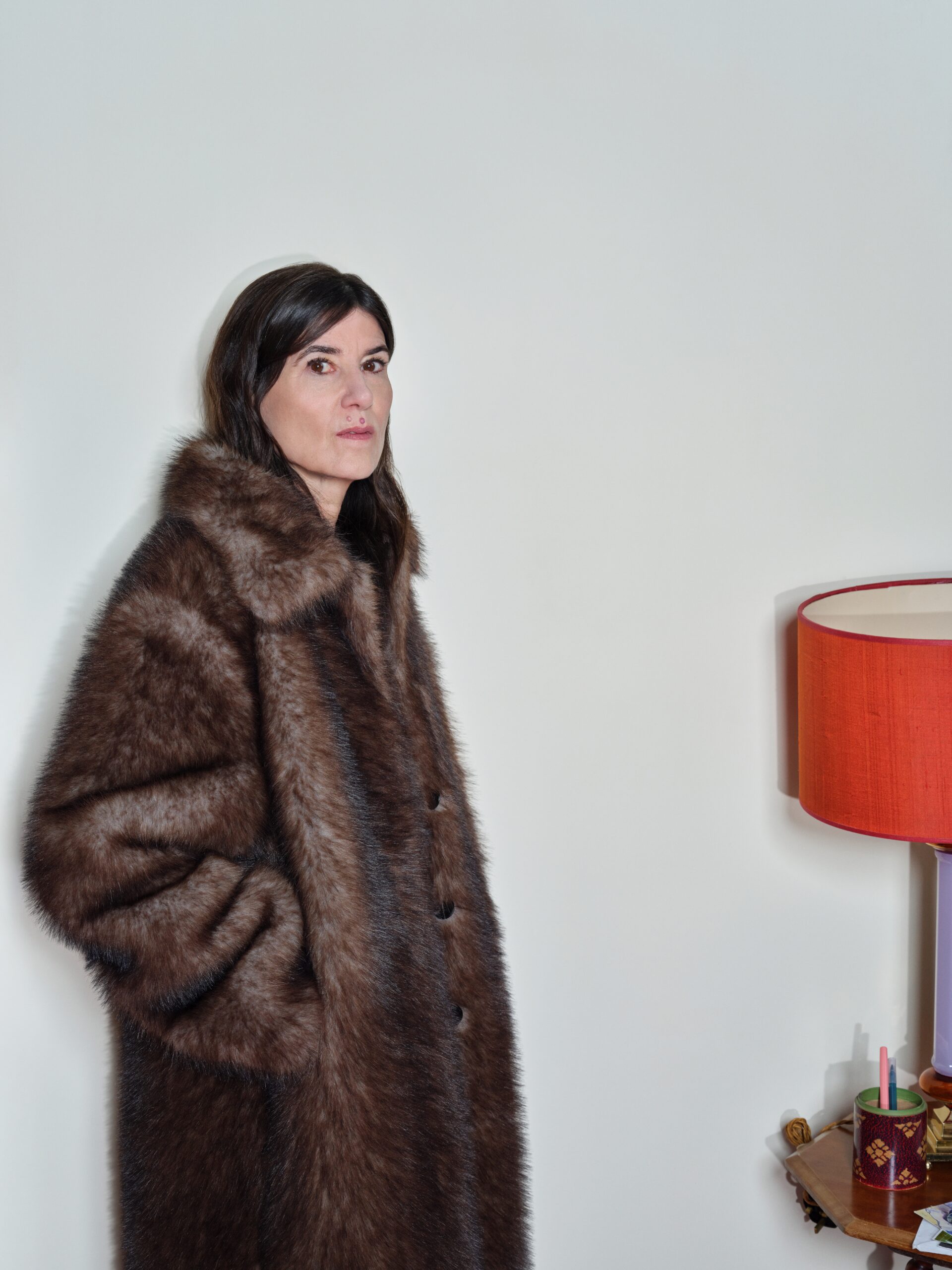
Self-acceptance isn’t absolute, of course. Sometimes it simply means not ignoring the body, and expecting a little less of it. Looking at ourselves differently, and seeing that less is sometimes enough. Less make-up. Less styling. Less of everything that wants to shape us. Clothes can skim the body lightly instead of holding it in.
What summer leaves behind
And when the days turn cooler? Then we pause a while longer. What do we want to keep from summer? Which feeling gets to stay?
Maybe it’s knowing that we needn’t speed up again by default. The body keeps its own rhythm. And we can hold it with the same warmth that summer held us.