By Rashunda Tramble
Illustration: Mugio
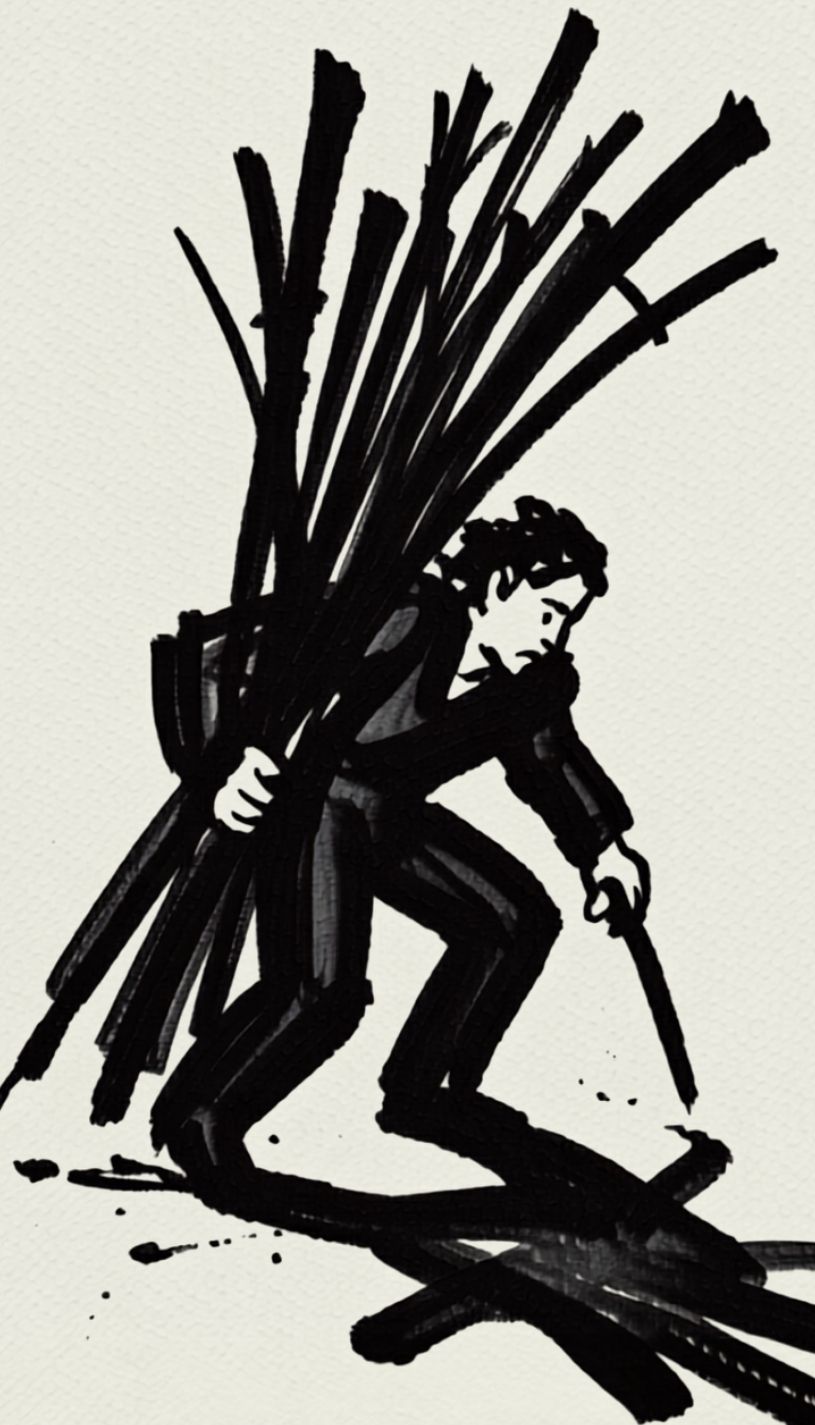
You applied for a promotion, one that you knew you were qualified for. And you were shocked when you didn’t get it. What poured salt into the wound was who did: an external consultant who’d been brought in only 2 months before. The consultant was 10 years younger with much less experience than you but had the right connections. Rumour has it that your company’s CEO went to school with her dad. Or maybe they were in the army together. Who knows?
You went back to school for your master’s degree. You signed up for every workshop, retreat, and leadership programme that was offered. You did what you were told, no questions asked. Your loyalty should have paved the way to a higher position. But it didn’t. And you will tell anyone who listens, or doesn’t: your colleagues, your partner, the old lady at the kiosk. Even the neighbourhood cat.
It’s been two years, and you’re still telling that story over and over and over again. And each time you conjure up that saga, you give it new life. You allow the past to negate your present. For your own sake, you’ve got to stop that story.
The stories we tell about the past have a way of lingering in the present. The question is not whether they happened, but how long we want them to keep shaping what comes next.
The story above is personal. I left a job after experiencing similar circumstances, but I wouldn’t let it leave me. I moved on to another workplace, but because I was still living inside of that old experience I couldn’t see the opportunities at my new job. I also risked alienating my new colleagues by retelling what had happened at my previous company.
As we make our way through the second half of the year, we’re probably thinking of what to leave behind in the first. Are there irritating, perhaps heartbreaking, stories we’ve been telling ourselves over and over again this year? Are they the same ones we told ourselves last year or even the year before? How can we lighten our mental and spiritual load? Perhaps the Queen of Swords can help.
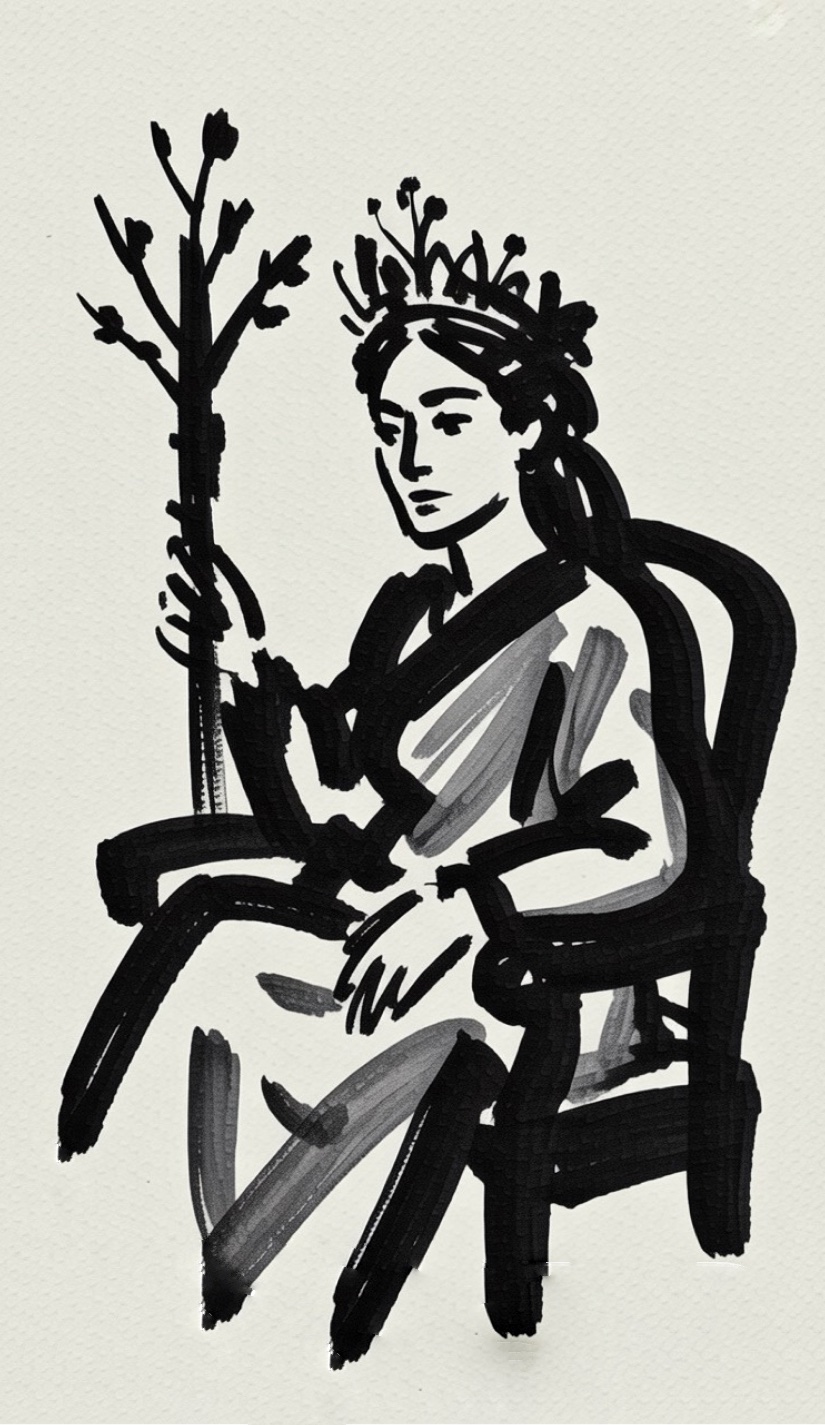
On the Rider-Waite-Smith version of the card, we see the Queen of Swords, the maternal archetype of the suit, sitting on a throne and holding a sword, the symbol of discernment, intellect, and separation. Hanging from her left wrist is what some believe is a Victorian mourning bracelet, a piece of jewellery worn during that era to remember a loved one who has died: a memory linked to the finality of death. When we combine the Queen with the symbolism of the sword and bracelet, we get a no-nonsense, but loving, mother telling us to “stop it”.
THE QUEEN OF SWORDS HAS NO TIME FOR PITY PARTIES
When the Queen of Swords appeared in my personal readings during the time in my life I shared above, I took it as a signal to look at how and why I was telling that story over and over again. I needed to realise what that repetition was doing to me and the people around me. By cutting my emotions out of the situation for just a second, I realised that by retelling that story, I was still stuck in it. Stopping that story and suppressing my tendency to be a victim was the only way I could move on.
Our personal sagas serve us. They’re useful, but they also hold the danger of psychologically pulling us back into our stories, breathing life into a past that flows into our future, sometimes with deleterious effects. This month the Queen of Swords lovingly, but firmly, asks us to stop those negative stories so we don’t retraumatise ourselves and people who love us.
What’s a painful or maybe just embarrassing story you tell all the time? One that, when you tell it to someone, you have to ask yourself if they’ve heard it before – and chances are they have. Bring that story to mind right now. If and when you feel ready try the following:
Try to find a few photos of yourself from the time the event happened. If you can’t find photos, perhaps search for some old journal entries, anything connected to that time.
Look at the photo or read the journal entry. Then imagine yourself having a conversation with the person in the photo or the person who wrote the journal entry. Listen to the person tell the story.
Then, and again – only when you’re ready – imagine yourself as the Queen of Swords sitting on her throne with that past version of yourself standing in front of you. Reply to the person by saying, “What happened to you was horrible. But guess what? You made it. You are here. You survived. It’s time to let that story go and move on.”
Close your eyes and visualise that person turning around and walking away, getting smaller and smaller in the distance until you can’t see them anymore.
Take a few minutes to slowly come back to the present. Then open your eyes.