Cart
Close
No products in the cart.
Cart
Close
No products in the cart.

In conversation with 

The Nüesch Sisters

Our writer Elena Berchermeier met the Nüesch Sisters to talk about what it means when women are the ones behind the camera, and the responsibility that comes with it.

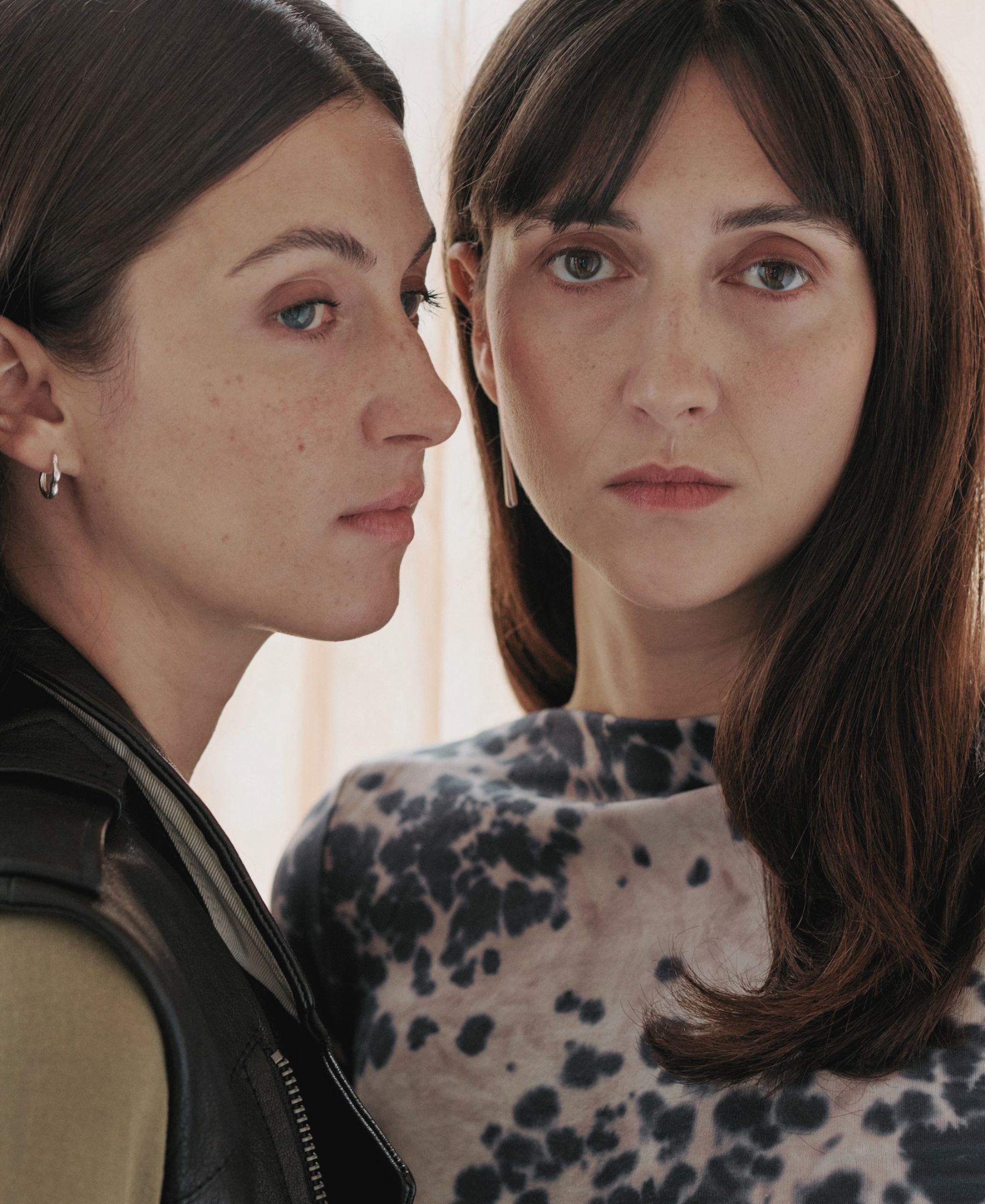
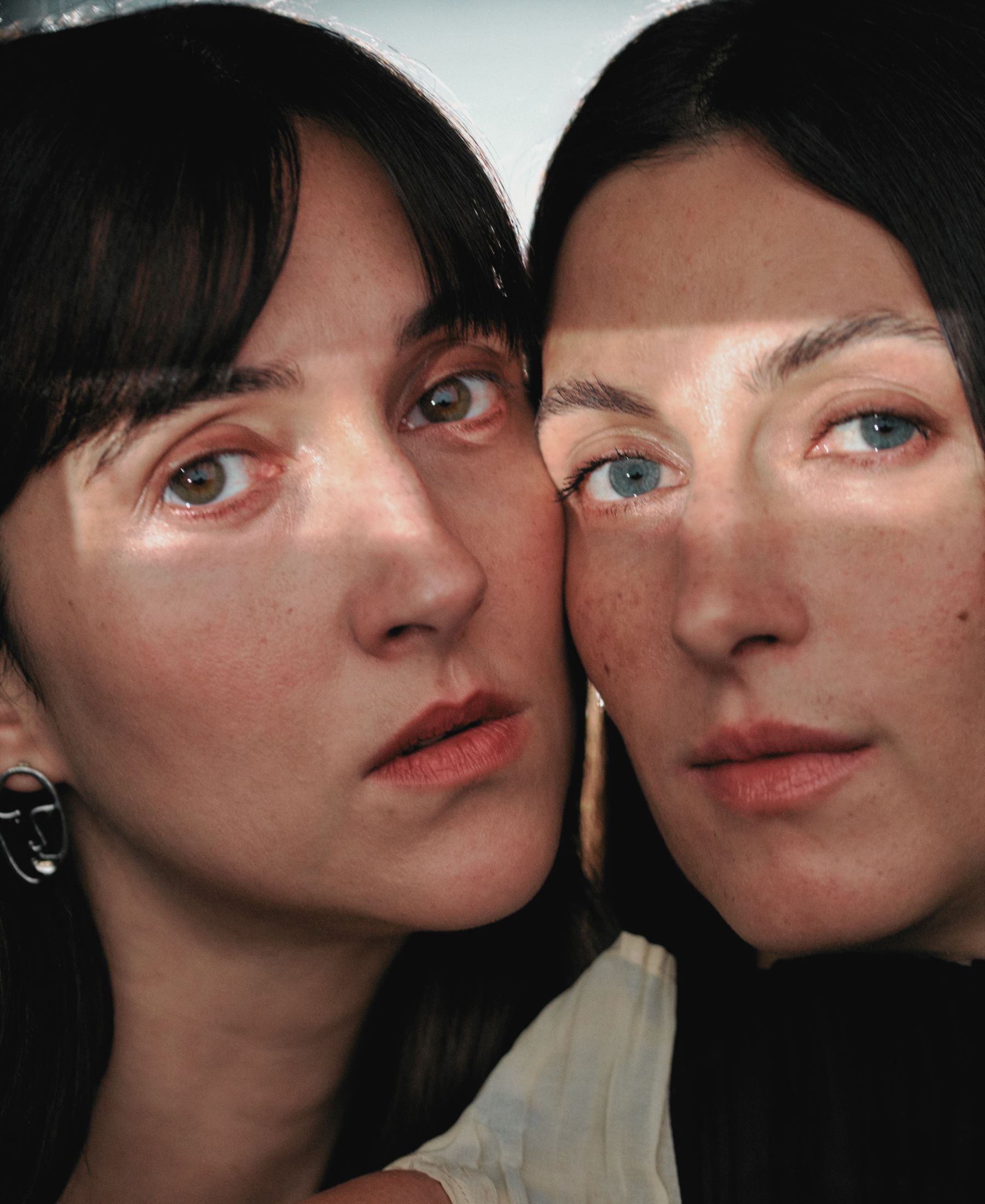
Florine and Kim Nüesch in a close portrait, standing side by side with their faces turned towards the camera.

TEXT by ELENA BERCHERMEIER
PHOTOS by NADINE OTTAWA
HAIR + MAKE-UP by NICOLA FISCHER

 In Short

Beauty is never only about how something looks. It is also about who is looking, whose point of view becomes the norm and which images begin to feel familiar. The Swiss filmmakers and sisters Florine and Kim Nüesch keep returning to these questions in films that deal with sexuality, gender roles and the female gaze. Their work is also a story of sisterhood: of making things together, questioning one another and arriving at a shared point of view. A conversation about filmmaking, being sisters and the images that shape how women come to see themselves.

Conversations

For a long time, women in film were mostly there to be looked at, by others, for others. Flo and Kim Nüesch want to change that. The Swiss directing duo work in an industry still dominated by men, and know from experience what it takes to hold their ground in it as a pair.

When the two sisters walk through the door of Café Noir in Zurich and we begin to talk, it quickly becomes clear that their style as filmmakers matches their temperament. They have depth without being loud. They want to draw attention to things without pressing them on anyone. They tell me their story, one of constant evolution and continual self-questioning. Their films, Flo explains, are meant to spark conversations rather than supply answers. Food for thought matters more to them than solutions.

The sisters started making their own films as children, growing up in St Gallen. At first they were mostly in front of the camera themselves. The first change of perspective came when they decided to become the directors. ‘We learned an enormous amount from the bonus material and making-of features on DVDs. That was the first time we understood that film is about more than acting,’ says Flo. Their parents were a team that backed them all the way. Their mother sometimes wrote stories for them, and their father bought them their first Mac so they could edit what they had shot, which gave them enormous freedom as storytellers. They were about nine and seven at the time.

What began as the childhood ambition of two sisters became a career they have pursued and built together ever since. ‘Our mother brought us very close from early on. She died young, which brought us even closer,’ says Flo. ‘Because we’re so close, we often notice even the smallest changes in each other,’ says Kim. That they would work as a duo went without saying. A year after Flo began studying at Art Center College of Design in Los Angeles, Kim followed. It was the only time they worked on the same themes while taking different paths. It did nothing to weaken their bond: they were always involved in each other’s projects.

Today Kim lives in London and Flo in Zurich, which doesn’t get in the way of their work together. They have simply had to become a little more flexible. They talk across all sorts of channels about ideas, projects or particular edits, sometimes by phone, sometimes on FaceTime, always with a certain closeness. Most of their projects begin with one of them having a thought that grows out of something everyday, which they then talk through together. Small observations matter as much as their personal take on things. They discuss the narrative, discard ideas and keep developing it until it feels right to both of them.

‘It’s not as if we never argue about projects. Of course there are moments when we clash as sisters, but they don’t last long,’ says Kim. The bond between them is present throughout our conversation. They exchange quick glances and finish each other’s thoughts, yet each is clearly her own person, with room of her own. It isn’t about who is more extroverted or introverted, Kim says. What makes their work together so particular is precisely how different they are. They have never compared themselves with each other, and never been in competition.

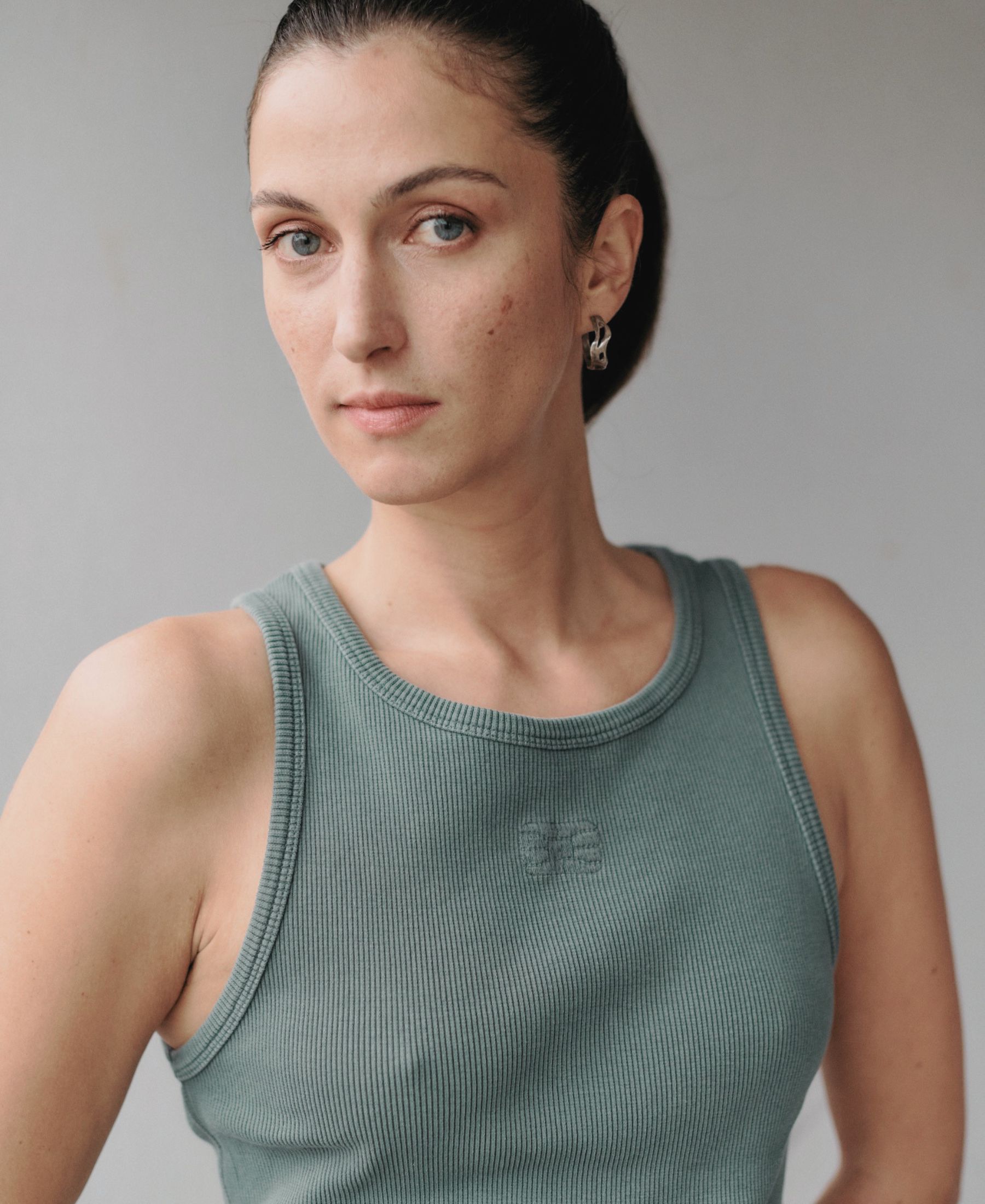
Portrait of Florine Nüesch in a grey sleeveless top, photographed against a quiet neutral background.
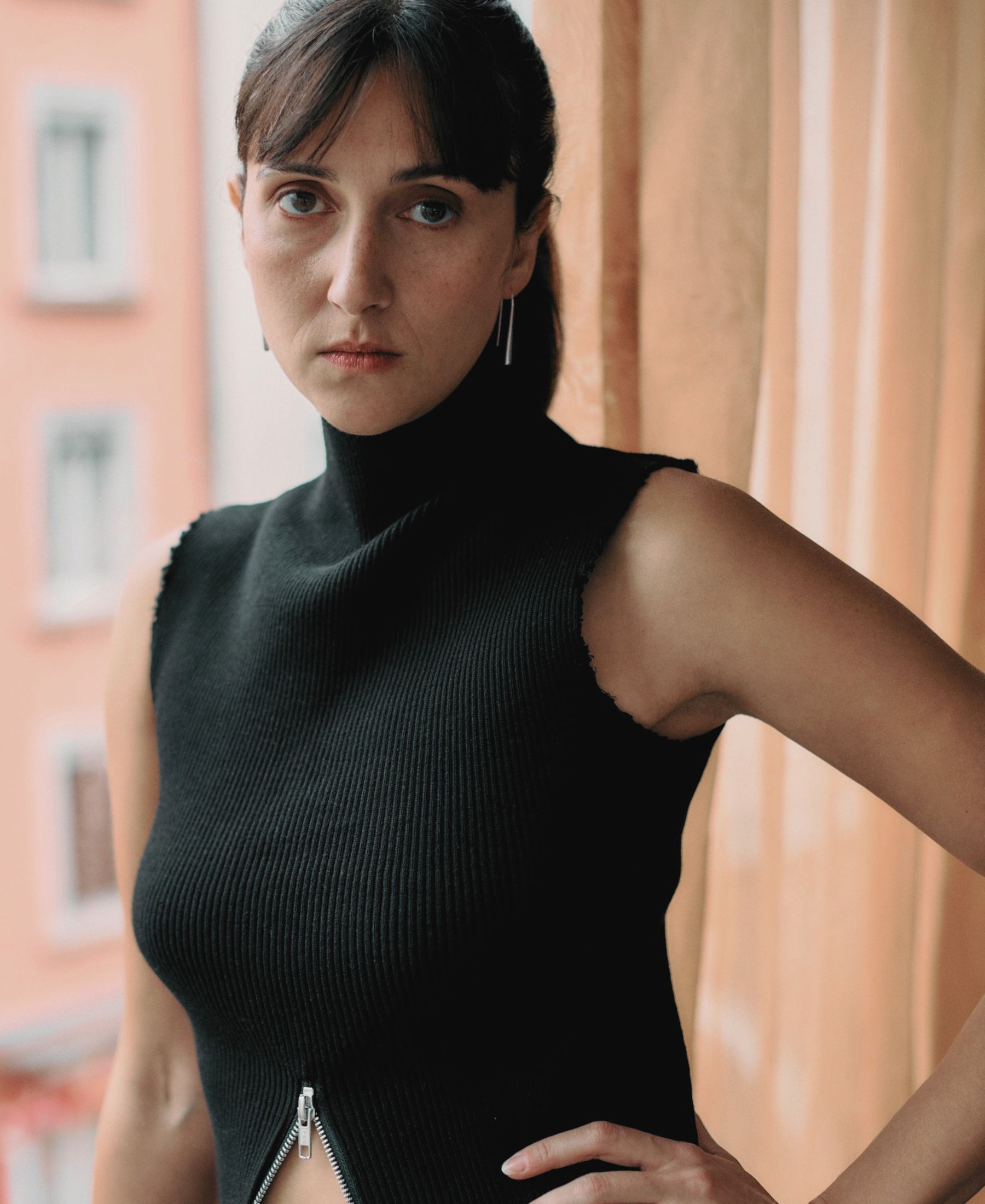
Portrait of one of the Nüesch Sisters in a black sleeveless top, standing beside a window in soft daylight.

What matters far more is how you look at yourself. Each project has sharpened their vision and pushed them to keep questioning themselves. Ego never came into it. They wanted to change something, as directors, but above all as women with their own narratives in a male-dominated industry. And so their passion became a stance, and the personal became political.

‘In our most recent short film, Marriage Unplugged, which you can currently watch on YouTube and on our website, we looked closely at how sexuality is portrayed on screen for the first time,’ says Kim. ‘There were internal discussions too, because it mattered a great deal to us that the female lead wasn’t sexualised, the way women are in so many films.’ That led to recurring conversations on set: within the team, but also with the intimacy coordinator, the lead actress, the costume designer and the cinematographer. ‘It was a process in which we kept questioning our decisions and consciously defended our own way of looking,’ Kim adds.

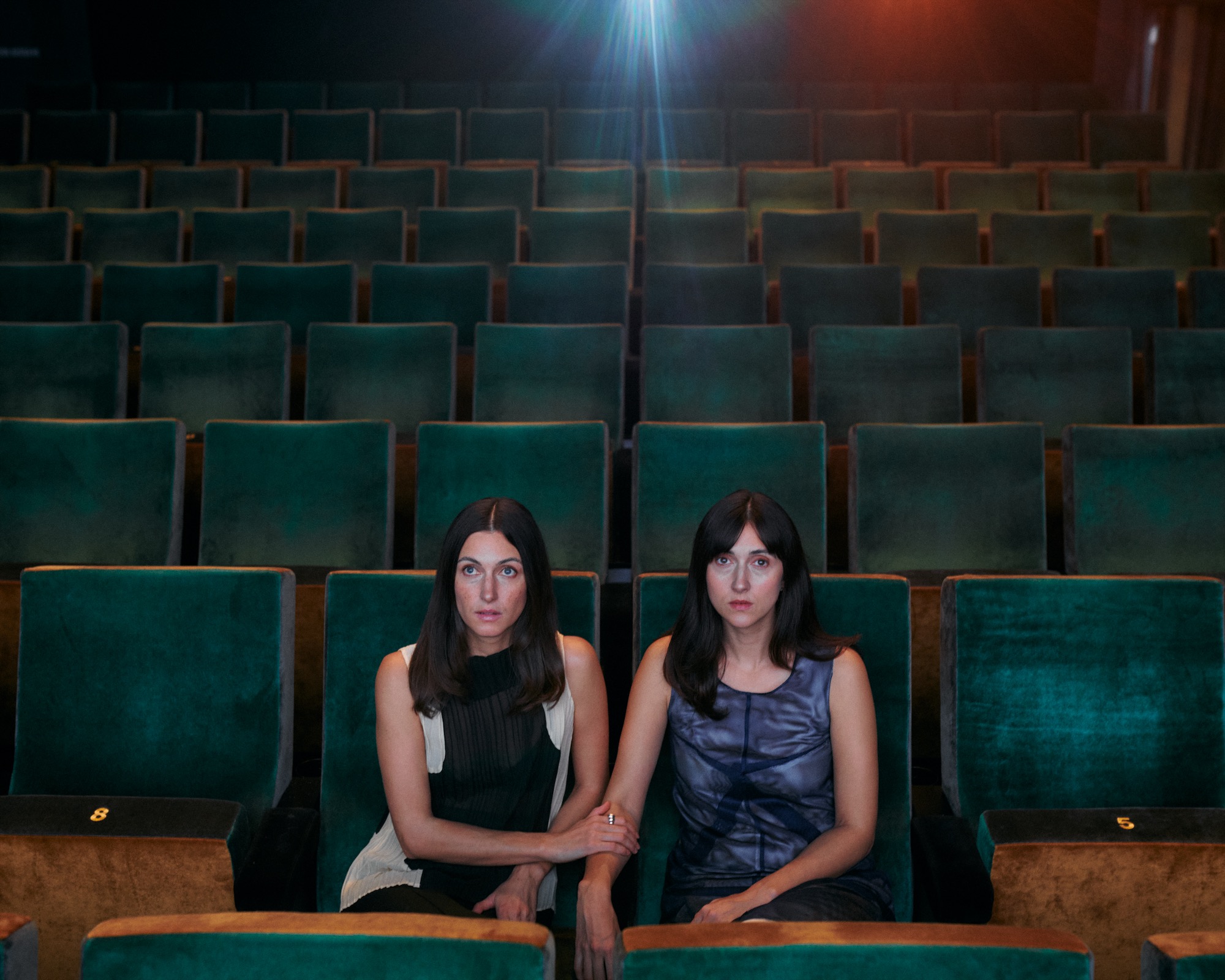
Florine and Kim Nüesch seated together among rows of green cinema seats, facing the camera beneath the projection light.
WITH THEIR SHORT FILM FORGET ME NOT, THE SISTERS WON SECOND PRIZE AT THE YOUNG DIRECTOR AWARD IN CANNES IN 2018, AN EARLY RECOGNITION OF THEIR DISTINCTIVE CINEMATIC VOICE.

Their work is shaped by what is known as the female gaze, the feminist response to the male gaze: the masculine way of looking at women and their stories. Casting few male leads isn’t a conscious decision for Flo and Kim. They simply tell the story from a woman’s perspective when the lead happens to be a woman. ‘I have a problem with the constant sexualisation of women’s bodies when it has nothing to do with the narrative,’ says Kim. They mention a documentary that looks at exactly this problem: Brainwashed: Sex-Camera-Power by Nina Menkes.

‘It shows the influence this has on young women and girls, on how we see sexuality and ourselves. We look at ourselves the way men look at us. As directors, we keep developing so we can consciously move away from that,’ Kim continues. The two keep asking themselves where their own standards come from. Often, it turns out, from being inspired by films made by men and absorbing their perspective along the way.

‘As a filmmaker and as a woman, I felt as though I were drowning in an immense whirlpool of imagery, from which it is very hard to free oneself.’ These words, spoken by the director Nina Menkes, open their film Marriage Unplugged. With that in mind, the films of the Nüesch Sisters feel like a safe harbour. They work self-reflectively, deliberately embrace the female gaze and choose to work with women.

In concrete terms, they want to question why a woman’s body is shown in a particular way. Why is it filmed like that? Who is looking? What are the gender roles in the film overall? What do the female characters talk about? Is there anything besides the love interest? ‘The male roles in our films haven’t been hyper-masculine either, and they don’t match the stereotype. On the one hand, roles like that come from reality too; on the other, they can create a new reality,’ says Flo.

Marriage Unplugged

A woman stands with her husband in front of a shop window. Behind the glass is a female sex robot in nothing but underwear, and the couple argue about whether or not he looked at her. When they step into the showroom, there are more models on display, naked and, as the woman points out, strikingly real. Her husband is visibly uncomfortable, while she takes it all in openly and finally orders the sex robot ‘James’ to take home: a model capable of cognitive learning and of recognising needs. After a cut, the three of them are in the bedroom.

What sounds disconcerting at first are the opening scenes of the short film Marriage Unplugged. In fifteen minutes, it tells the story of a married couple and touches on a whole range of social themes: artificial intelligence, sexuality, the wish for children, gender roles, career, self-realisation and humour. After an argument, for instance, the wife puts the robot out in the rain. Later, her husband lays him in a bathtub full of rice, as if he were a smartphone that had fallen into water. The gesture is about a kind of parental care, but also about their own independence. The depth of the story goes hand in hand with a certain lightness, so the film stays entertaining throughout.

This way of telling stories, in which different backgrounds and motives exist side by side, is typical of the art of the two directors, the Nüesch Sisters. Time and again, the Swiss duo take up compelling subjects drawn from real life.

Behind the scenes, too, they stay true to their standards, aware that their responsibility extends beyond the screen. ‘As directors, we decide who we work with. On Marriage Unplugged, we deliberately chose women as heads of department,’ says Kim. While the two keep trying to work mainly with women, the view towards Hollywood is sobering. They mention a study that shows how little equality there is in the film industry.

According to the Center for the Study of Women in Television and Film at San Diego State University, women directed just 16 per cent of the 250 top-grossing US films of 2024. It is a figure that shows how much the work of Flo and Kim matters.

At one point in our conversation, they become very self-critical. The subject is language, and how it creates reality. Kim explains that they have to keep reminding themselves to call themselves Regisseurinnen, the feminine form of ‘director’ in German, rather than the generic masculine Regisseure. In English it’s simpler: they are directors. This detail alone shows that change has to happen on a large scale, but just as much in everyday life. Even in English, though, the line keeps being drawn, and people speak of ‘female directors’. A difference is emphasised and made visible, to the point that there are now awards specifically for female directors. They would not be needed if the work were valued equally.

Florine and Kim Nüesch in close-up, their faces side by side as bands of sunlight fall across their eyes.

As we talk about structures and power dynamics, it becomes clear that being a duo doesn’t always make things easy. ‘It’s never meant maliciously, but systems sometimes aren’t built for duos,’ says Kim. Flo explains that there are often situations where only one person has been planned for, at award ceremonies or fellowships, for example. It has happened that they could share a hotel room but had to pay for the second flight themselves.

They handle all of this and give everything to keep both of their seats at the table, and still there are moments when doubt grows louder, and moments when it recedes. Kim says: ‘The financial uncertainty of directing sometimes makes us question our commitment, especially in slower or more difficult phases. But in the end, our passion for the work is always stronger than any doubt.’

When a calling becomes a job, it’s important to find a healthy way of dealing with it. The idea that you’ll never really have to work again if your job is fulfilling enough can create enormous pressure. The two of them know this and take a realistic view. As creatives and freelancers, they often have no fixed hours and little structure imposed from outside. ‘That makes a conscious work–life balance all the more important. For me, that means not answering emails in the evening, for instance. Or slowing down a bit on Monday or Tuesday after a busy weekend,’ says Flo. What gives her strength above all are everyday things: good food, cooking together, time with other people. At the same time, she values her time alone and uses quiet moments to recharge and stay centred.

Kim sees it the same way. ‘In everyday life, time with my friends matters a lot to me. So do good books and of course good films, going dancing and doing crosswords in bed with my partner. And if we’re talking about the really small things that make me happy, my new, very sweet tomcat Hiro, named after the director Hirokazu Kore-eda, is one of them too.’

Despite all the hurdles, Flo and Kim have always gone their own way. And here, too, it becomes clear that this way doesn’t always follow their ideal alone. We talk quite naturally about the different kinds of projects there are: commissions for clients as well as their own films.

Florine and Kim Nüesch seated at opposite ends of a grey sofa, surrounded by art, books and a large green plant.

‘There are directors who only make their own projects and no branded films. But it isn’t really a contradiction. It doesn’t mean there’s any less passion involved just because we’re working for another brand,’ says Kim. Their fashion film Through the Storm, for example, written and produced for Vogue Italia, is about isolation during the pandemic and how news from around the world can feel like a storm. The film is in no way inferior to their own projects, drawing on aesthetic and socially critical elements alike. Of course there are projects they turn down, because ‘if it doesn’t feel right, it isn’t right’, says Flo. That is how honest they are with themselves. Equally, there are situations in everyday work where you have to give way. Flo adds: ‘Especially when you’re employed and not working on your own projects. I have a clear stance and a strong personal approach to my work, and at the same time dialogue is extremely important to me. Film is teamwork, and it’s in working with the crew or with clients that this exchange often opens up new layers you would never have reached alone.’

‘Even so, our narrative films are where we express ourselves most fully, because we’re freer and they carry our signature from beginning to end,’ says Flo. ‘True freedom lies in the detail, and in shaping everything as far as possible the way you want it.’

That love of detail was there from the start. It has developed over the years, but it has always been part of their work. Kim says: ‘Concretely, it began with us not only engaging with the story but also asking: how should this moment be shot? What colours should be in this image?’ Flo: ‘That’s how we came to understand which components can be decisive.’

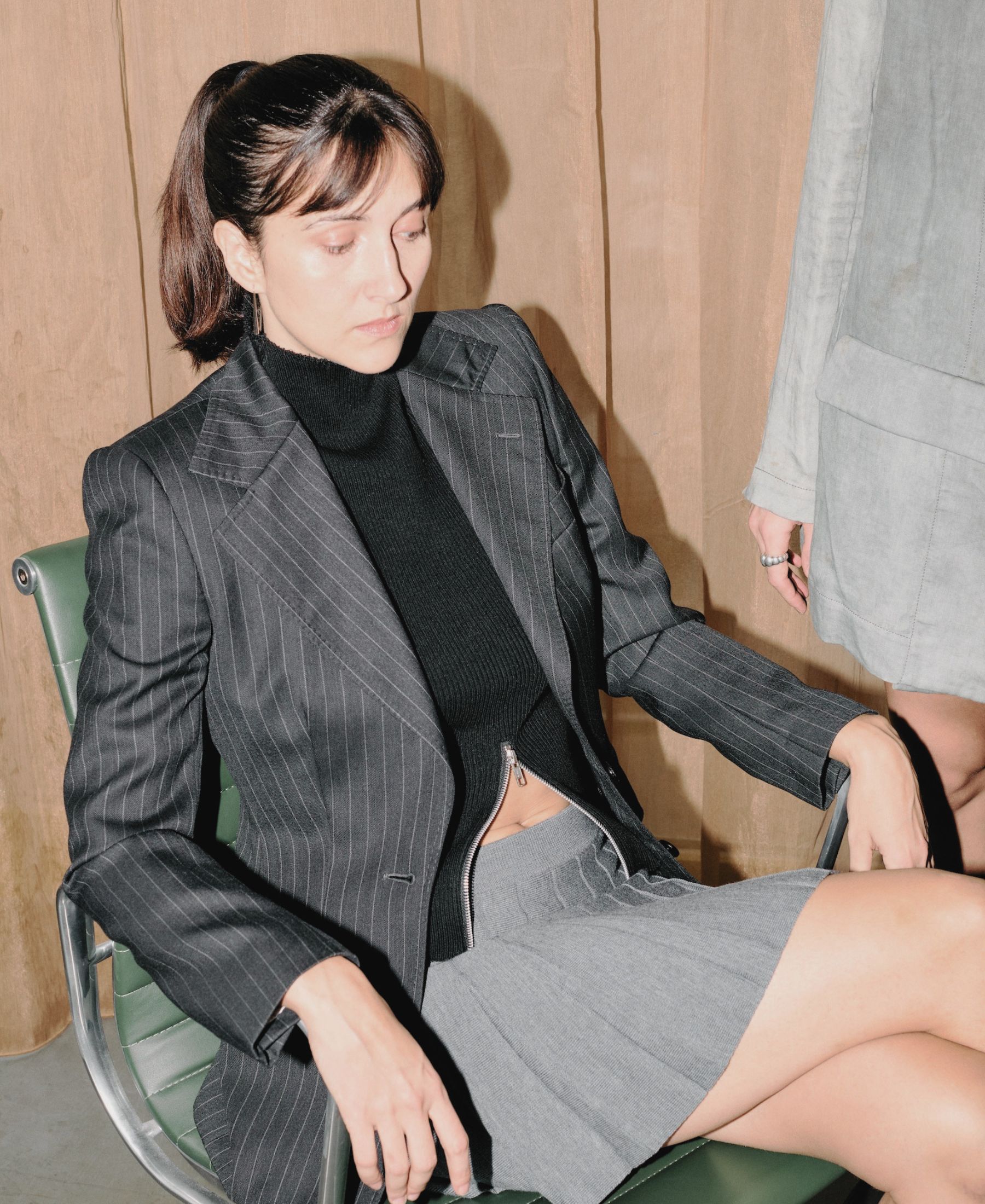
Kim Nüesch Sisters seated in a green chair, wearing a pinstripe blazer over a black knit and grey skirt.

As with any artist, it took time before they found their perspective. Flo says: ‘The first film where we found our style was probably Moon Girls, which we made at university.’

Aesthetics play a central role in their work, because films live by what you see. At the same time, they try to break with conventional beauty norms. ‘For me, beauty is less about appearance than about aesthetics,’ says Flo. Kim adds: ‘For me, beauty relates to a person, and aesthetics to the world and a certain balance.’ What matters, they say, is your own wellbeing and charisma, which is where true beauty comes from.

This tension is what makes it interesting. On the one hand, films need to connect with an audience in order to be seen; on the other, their own stance matters. So how beautiful is someone allowed to be? How important is that beauty in a film? How far should a subject be pushed? As women behind the camera, they are constantly moving within this ambivalence. Flo says that everything you do is a conscious decision that needs to be thought through first.

Flo: ‘No film is perfect, and no film can please everyone.’ Still, they know their work can create visibility and change. ‘Maybe you have to push things to the extreme at first so that one day they become normal,’ Kim reflects. Being deliberately different just to polarise isn’t their style at all. They let their films speak for themselves. With awards at festivals around the world, they give visibility to social issues and women’s perspectives, without compromising on aesthetics.

The thing about beauty is that it isn’t simple. On the one hand, it has evolved; on the other, social media still shows us the same unhealthy standards that existed before, and there are still public debates about how women should look. That’s why counter-movements are needed: films, books, art and conversations that show it should always be about an individual way of seeing, never a collective verdict. Film, and other visual media too, need to show reality.

Alongside structures that can be pushed back against, there are changes that can’t be stopped. Artificial intelligence, for one. With whole scenes now being shot without real actors or real locations, it’s important not to lose respect for the craft of directors and the entire crew. What matters instead, they say, is writing scripts for streaming in a way that does justice to the audience. ‘Information gets repeated three times, because people are on their phones anyway and only catch half of it,’ says Flo.

As with any craft, there is probably a certain nostalgia. This text found its place in a print magazine; for filmmakers, the cinema still seems to be the place that matters most. We talk about the kind of isolation that happens there: taking time deliberately, no distractions, no smartphones. ‘I feel that social media has made people value the beauty of films less,’ says Flo. For her, the cinema is one of the last spaces where you’re really focused and the film is at the centre. It seems as if, in all this speed, they want to create moments and ideas that stay with you. At the same time, it matters to them that these come from their own thinking. ‘I would never write a script with AI,’ says Kim. They admit to a certain fear that their own style and way of writing could be stolen, since AI works with exactly that kind of information. ‘How do we know our idea wouldn’t then be suggested to others looking for input for their own script?’ says Flo.

There it is again, the simultaneity in their work. One moment it’s about aesthetics and the perfect shot, the next about a development they consciously want to keep their distance from. Almost sixty years ago, Andy Warhol said that in the future everyone would be famous for fifteen minutes. He didn’t foresee how much shorter attention spans would become, or that the challenge would involve more than achieving fame. It feels almost rebellious to treat social media deliberately as a place for behind-the-scenes content, and not to give in to its pressure.
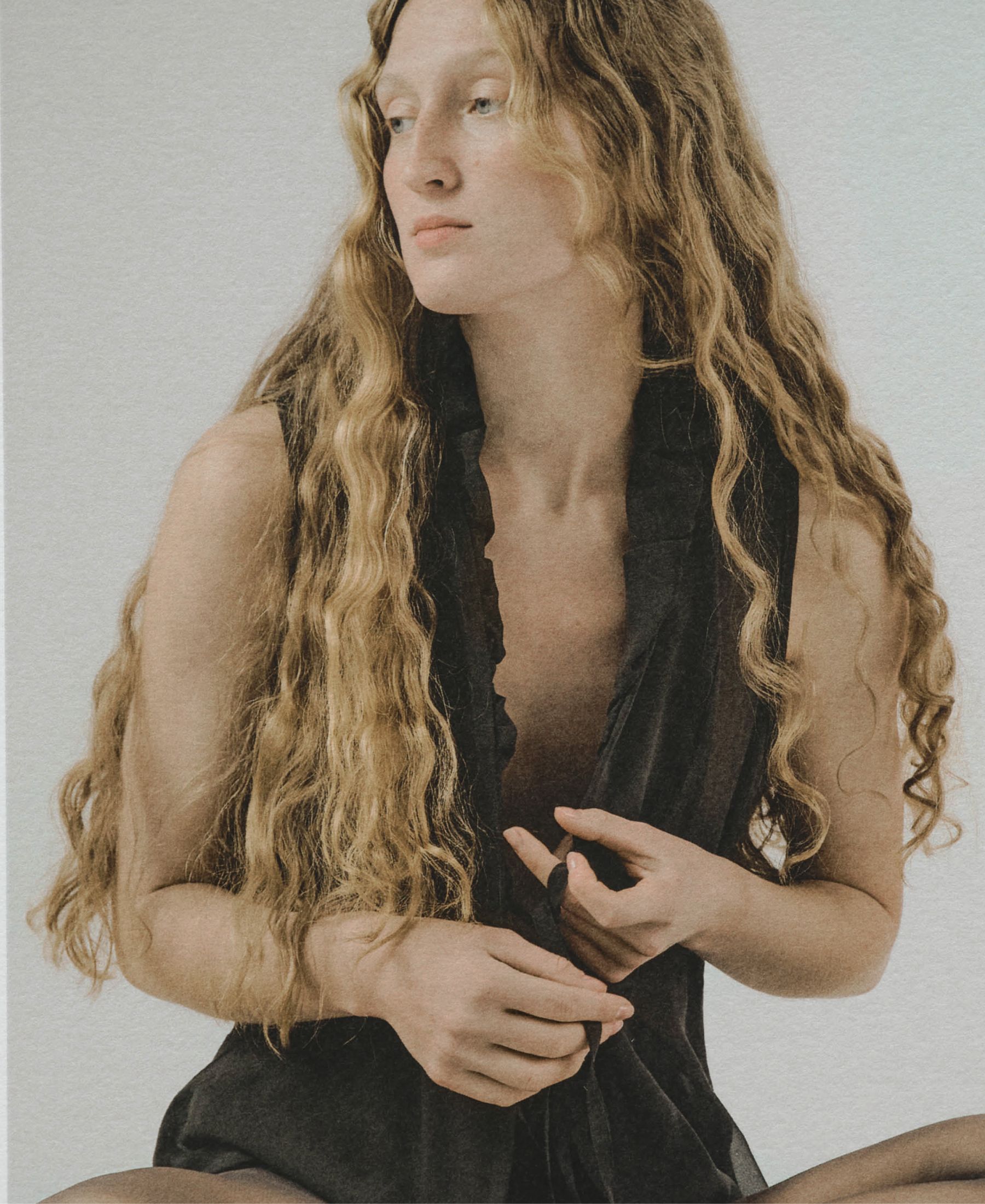

Instead, Flo and Kim are currently working on two projects that couldn’t be more different. In September 2025 they shot their first art film. ‘It’s called (Un)becoming, and it’s a kind of artistic manifesto, our answer to the political regression happening worldwide,’ says Flo. It explores what it means to be a woman at a time when women’s rights are under massive pressure around the world. It was challenging, of course, because they had never worked in the genre before, but it also gave them a certain freedom. ‘We could be much bolder and push things further. At the same time, we brought in theatrical elements,’ says Kim.

They are also working on their first feature film. ‘It’s about miscommunication and generational differences between a millennial daughter and a boomer father,’ Kim explains. They are still writing the script. The idea came out of conversations with friends who had all had similar experiences with their fathers; families often talked past one another. So that it isn’t only their own perspective, the film is meant to speak to different generations, because what connects everyone is sometimes feeling misunderstood.

That approach, too, is as accessible as it is brilliant. Even if no one feels understood, everyone understands what that feels like. They manage to speak to a collective and unite it through understanding. And almost in passing, the whole range of themes that now belong to the repertoire of their films comes up. This simultaneity isn’t only their passion; as Flo explains, it also reflects the wish she has always had to make a feature film.

This way of making films is art. They don’t hand out answers or impose their stance; they bring different perspectives into the room. They have understood how powerful their narratives can be. Again and again, they show how we might look at the world, and invite the audience into that cinematic dialogue. They don’t offer fixed answers, don’t force their position, and as a duo they still manage to move within this field of tension.

This piece first appeared in Super Flattering PRINT ISSUE N°01 / 2026

Their latest film, (Un)becoming, can now be watched in full on the Nüesch Sisters’ WEBSITE.

Related Posts

Illustration of The Lovers tarot card from the tarot deck by Weicher Umbruch.
The Lovers
Loving yourself can be hard when the world keeps telling you you’re not enough. This October, The Lovers invites you to meet your past
Read More
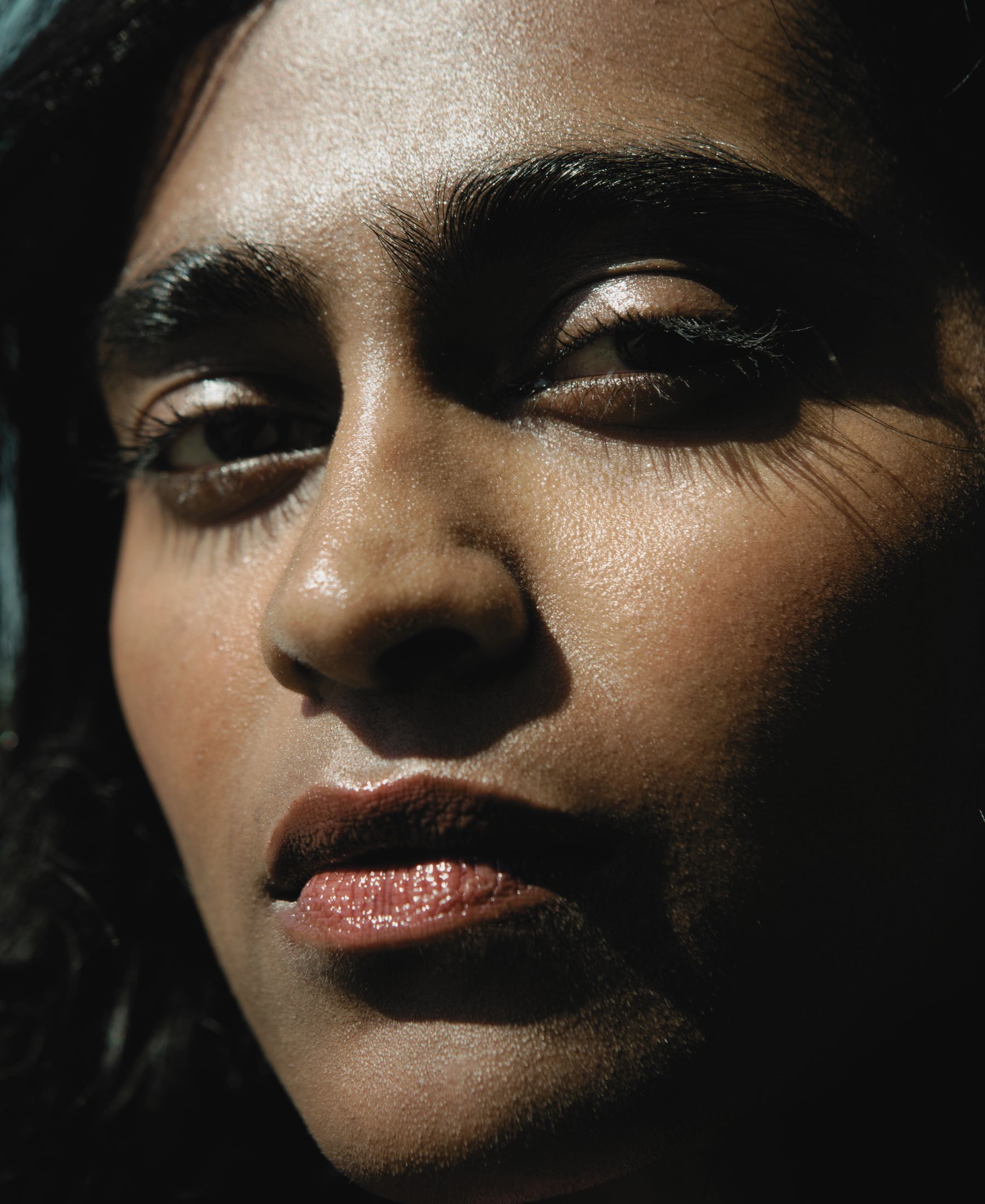
Barathy Akkan in close-up, with hard sunlight cutting across her face and deep shadow defining the portrait.
Barathy Akkan
She feels at her most beautiful doubled up with laughter. The Glarus-raised nurse and model on Tamil pride and her Hannah Montana double life.
Read More
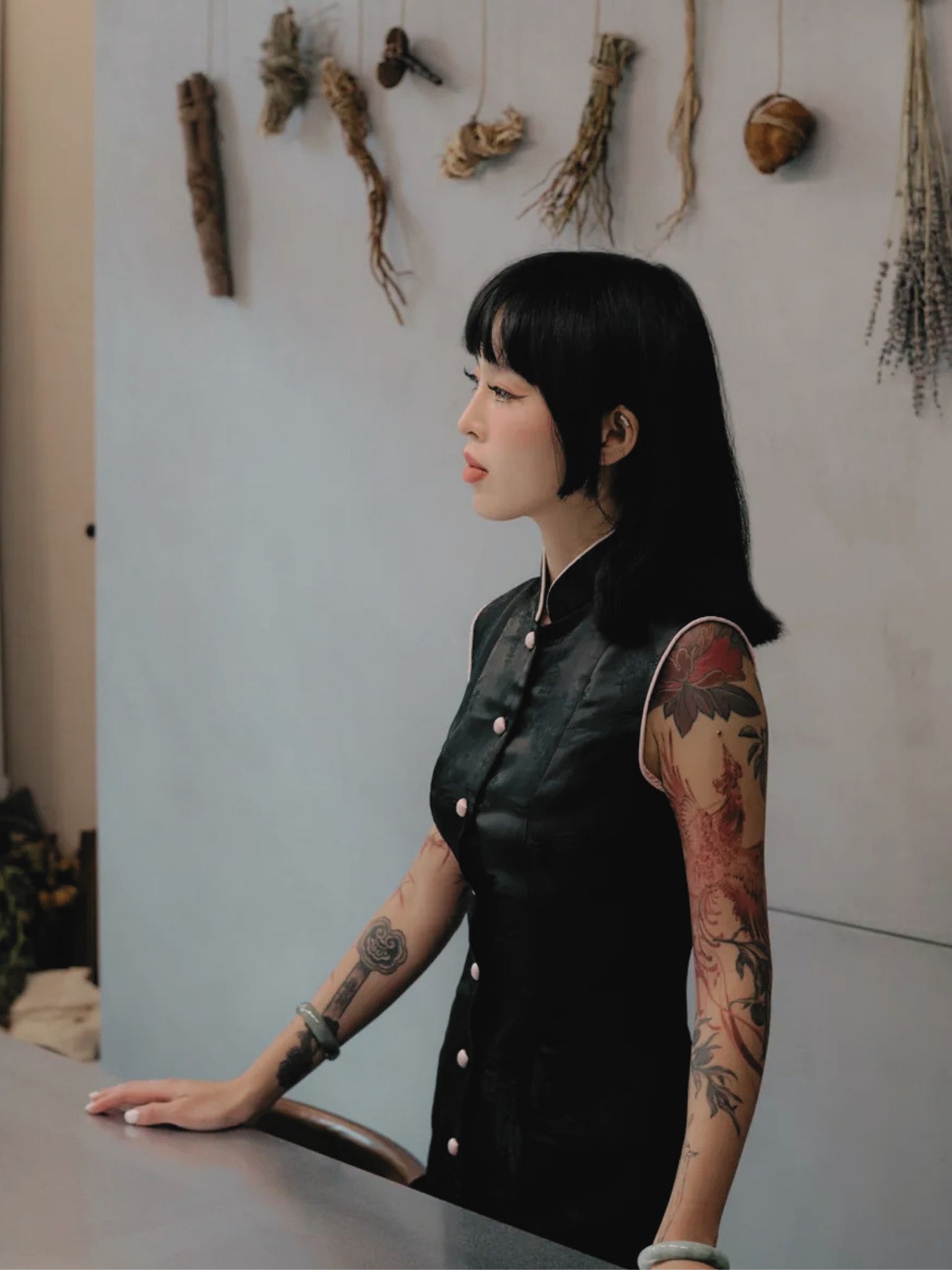
Portrait of Zoey Xinyi Gong.
Zoey Xinyi Gong
Beauty standards change with geography, but the pressure to meet them travels remarkably well. On inherited ideals, social media and deciding which choices are
Read More
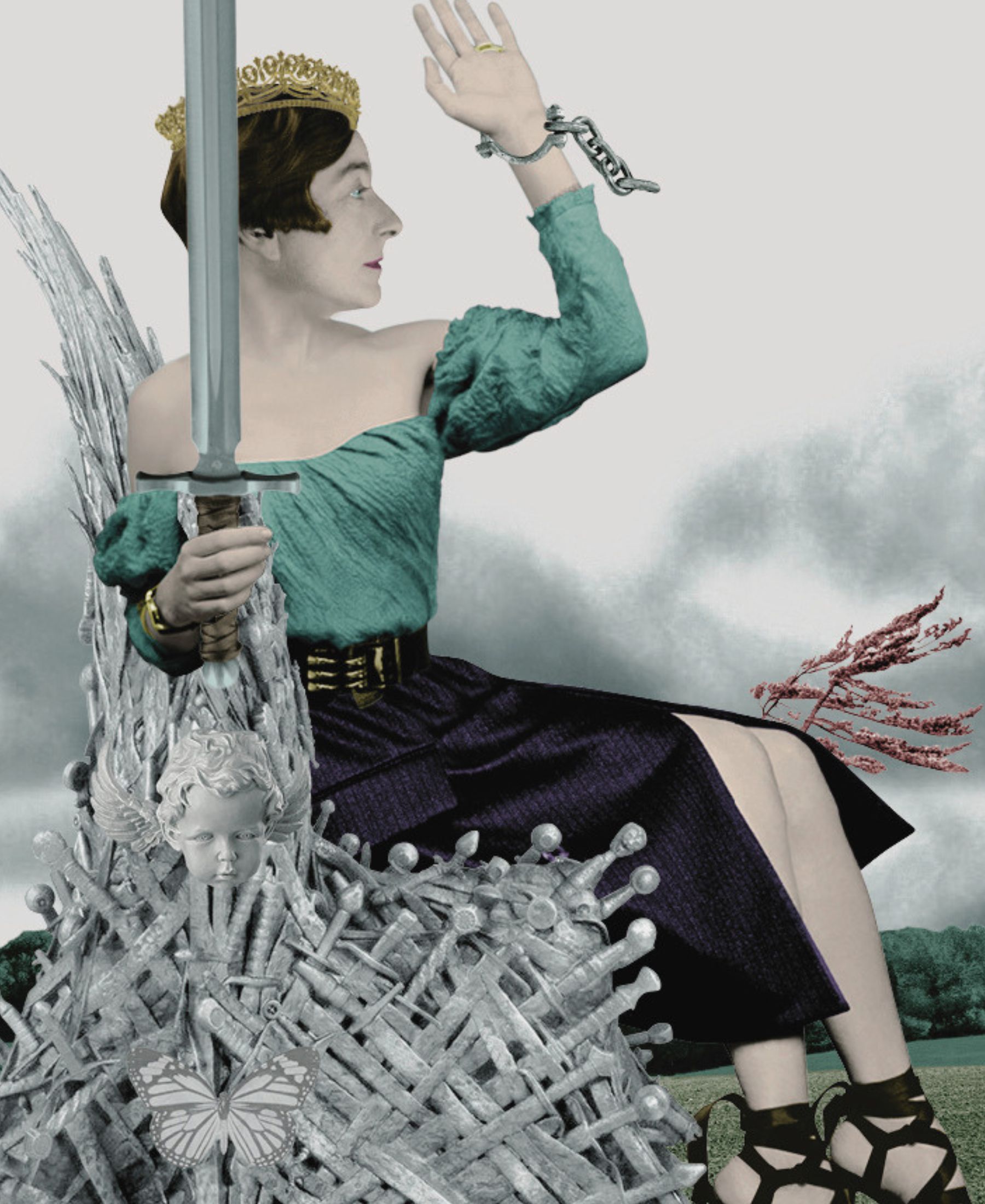
Ten of Wands
When carrying everything starts to look suspiciously like competence. On over-responsibility, self-worth and learning to let other people carry their own weight.
Read More
Previous
Next

Subscribe to the newsletter