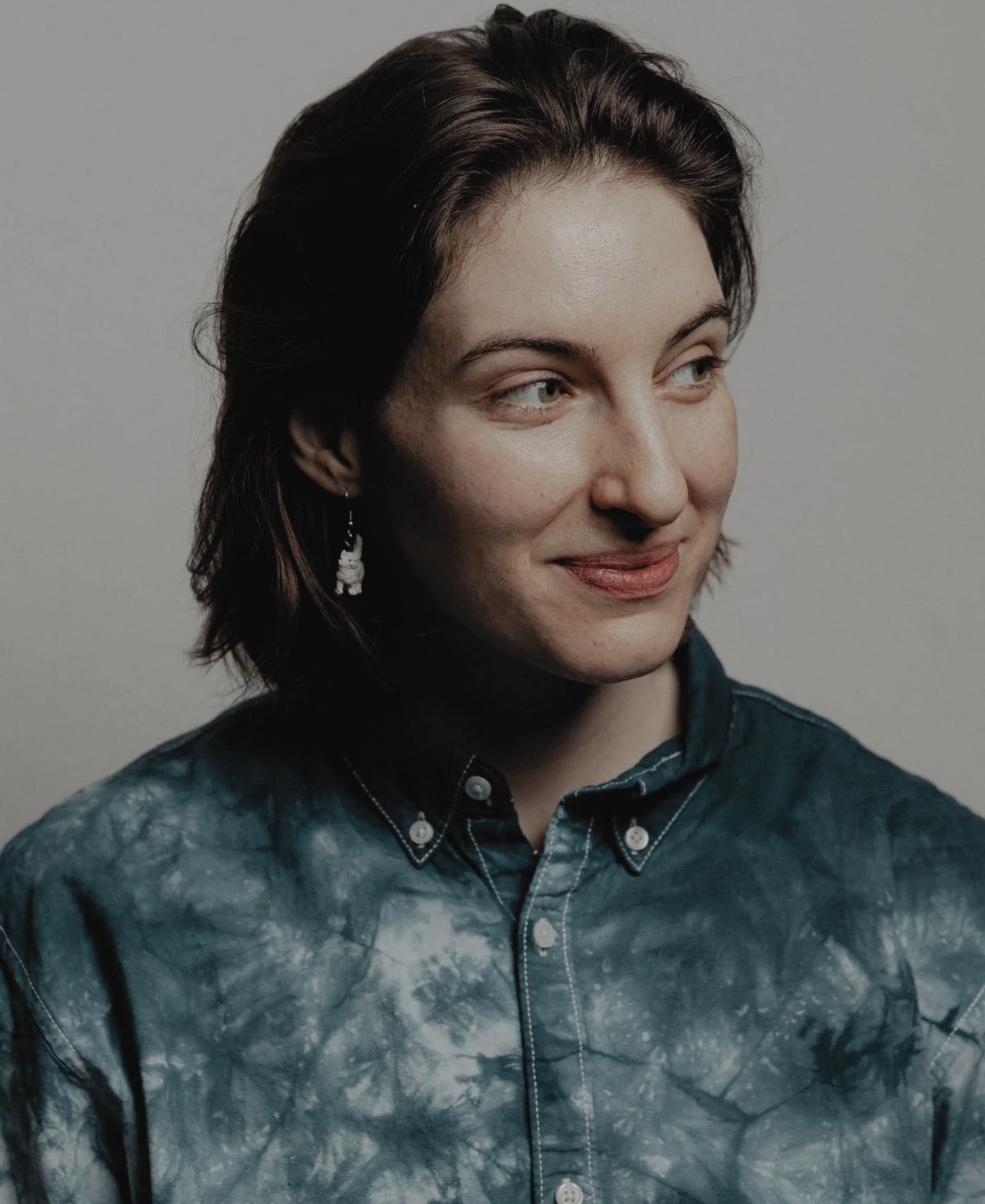
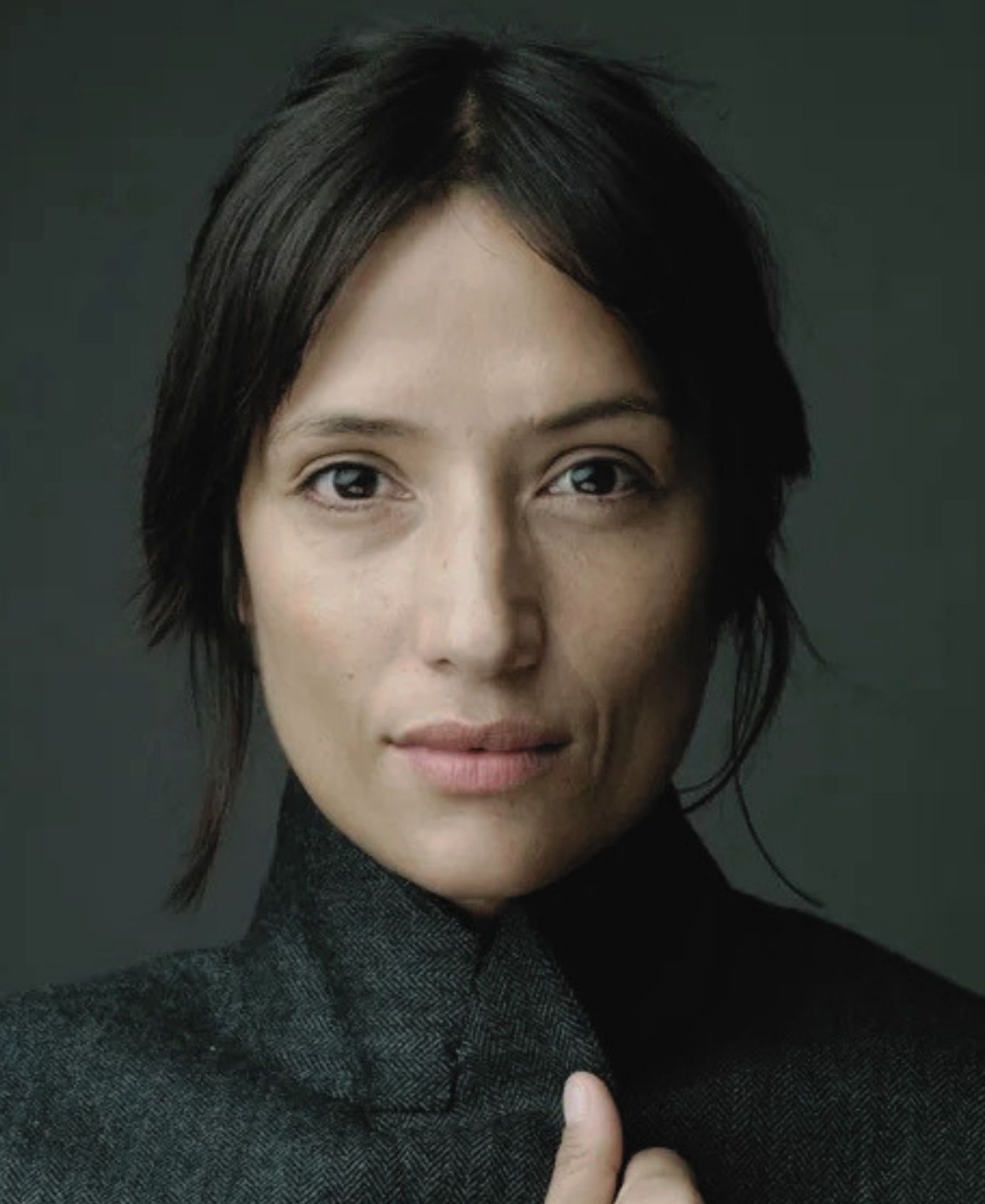
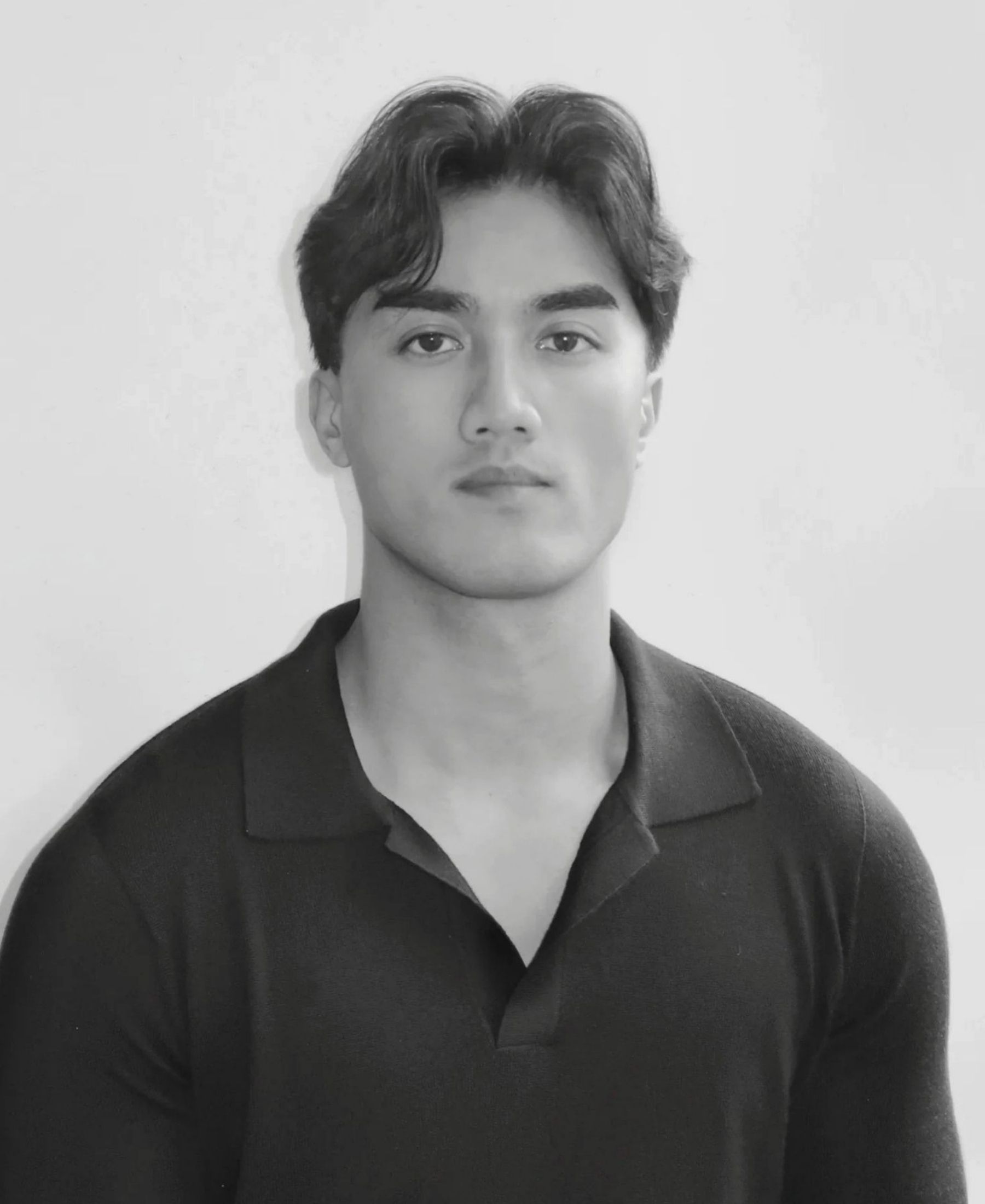
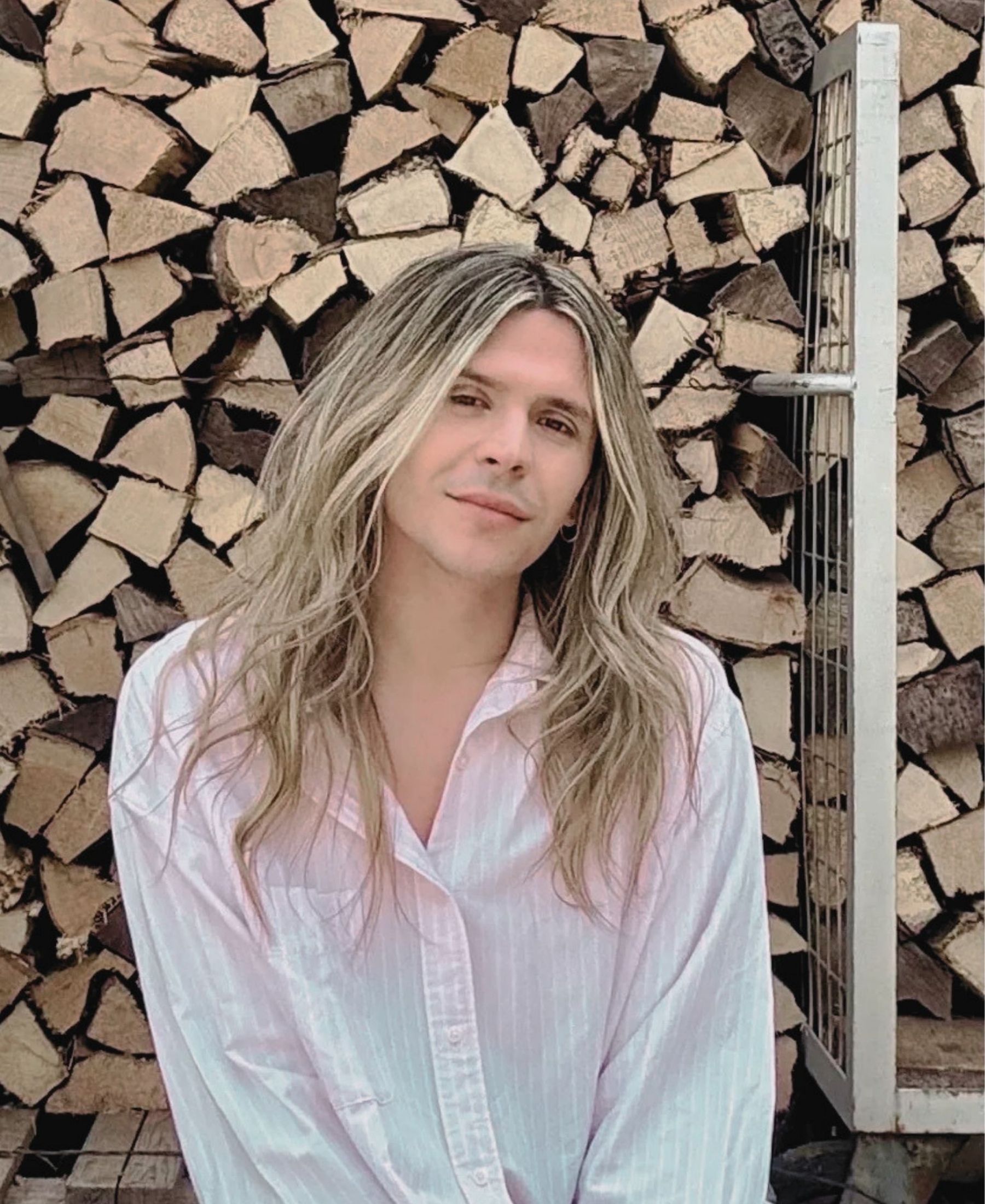
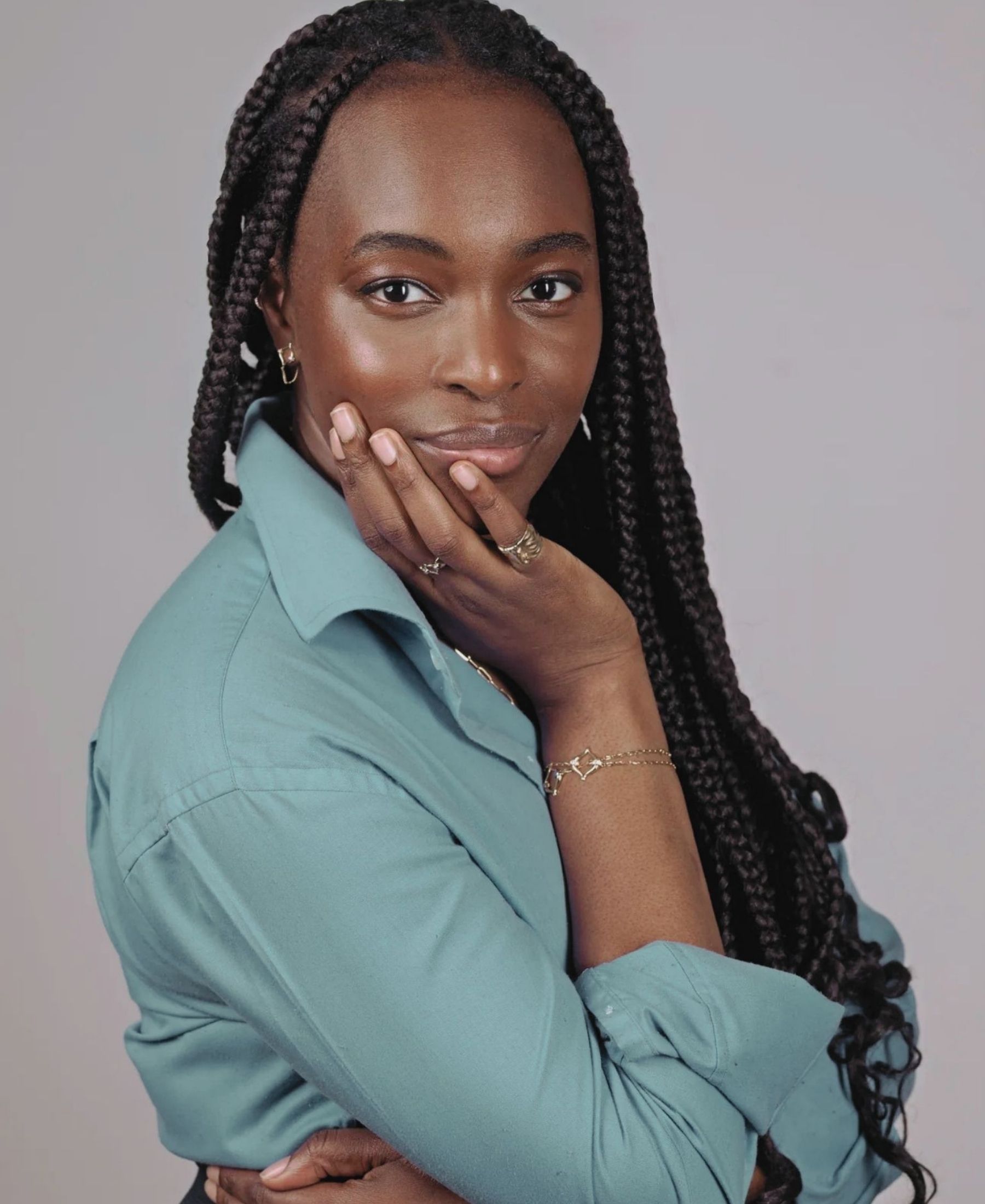
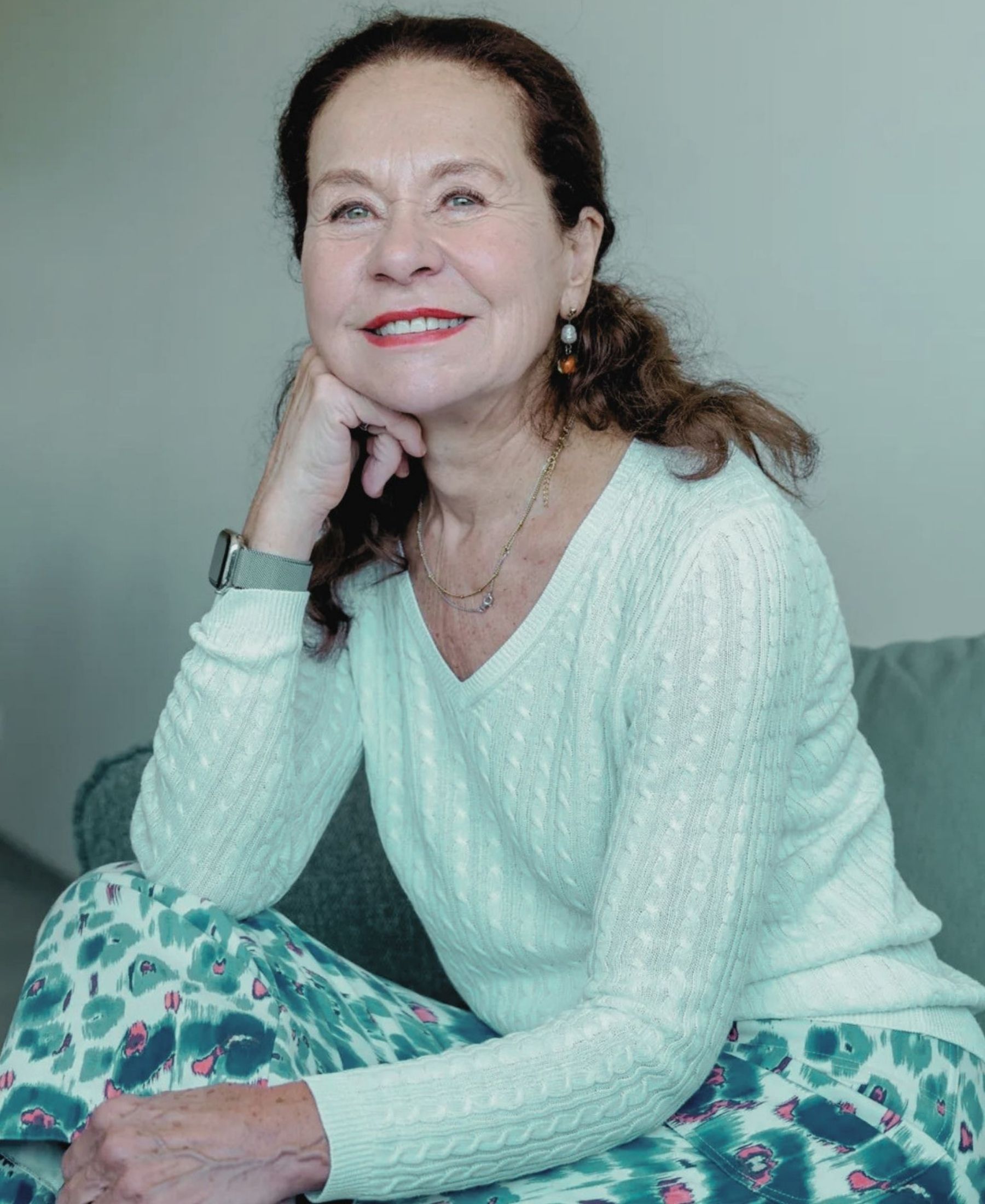
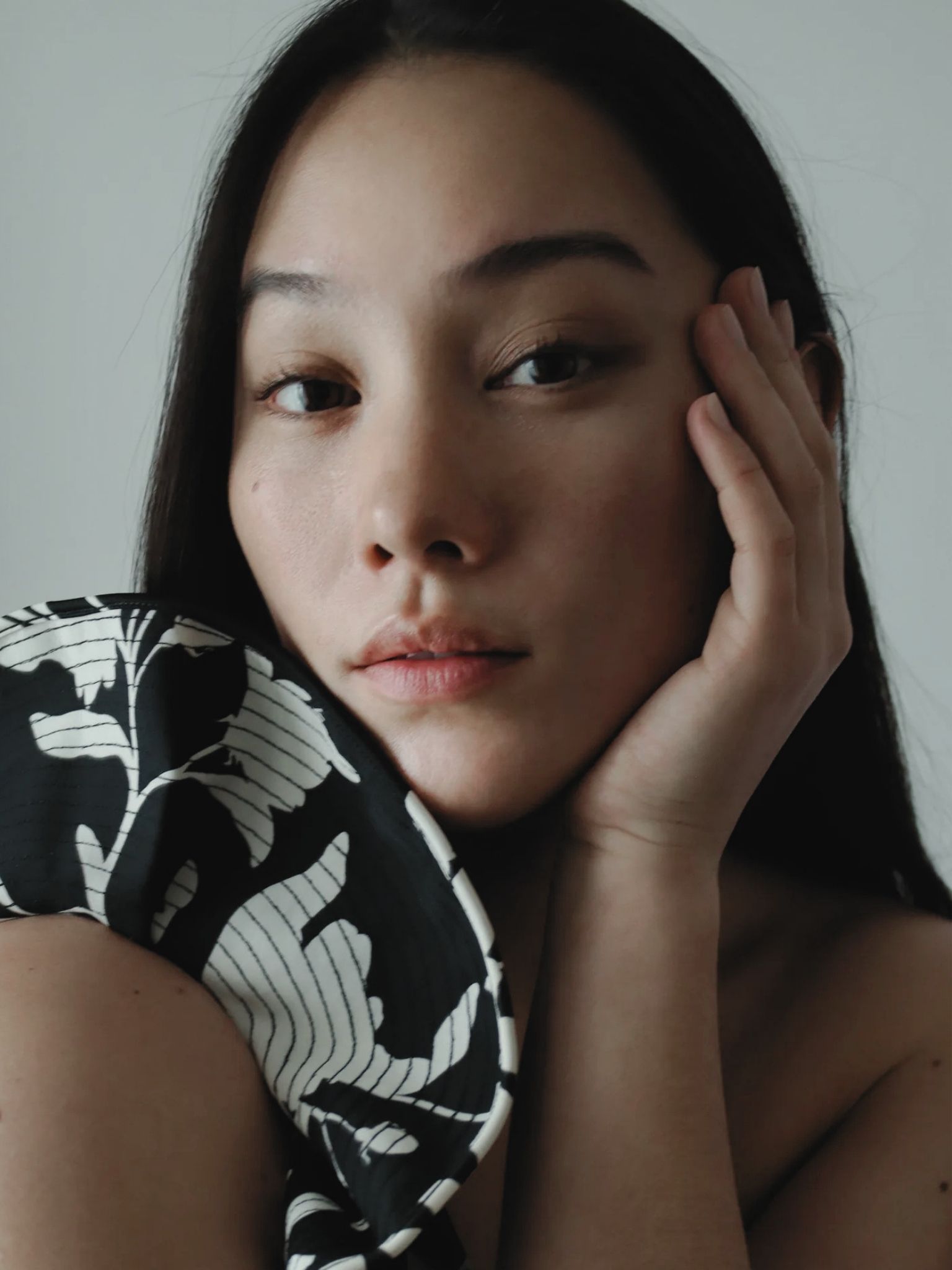
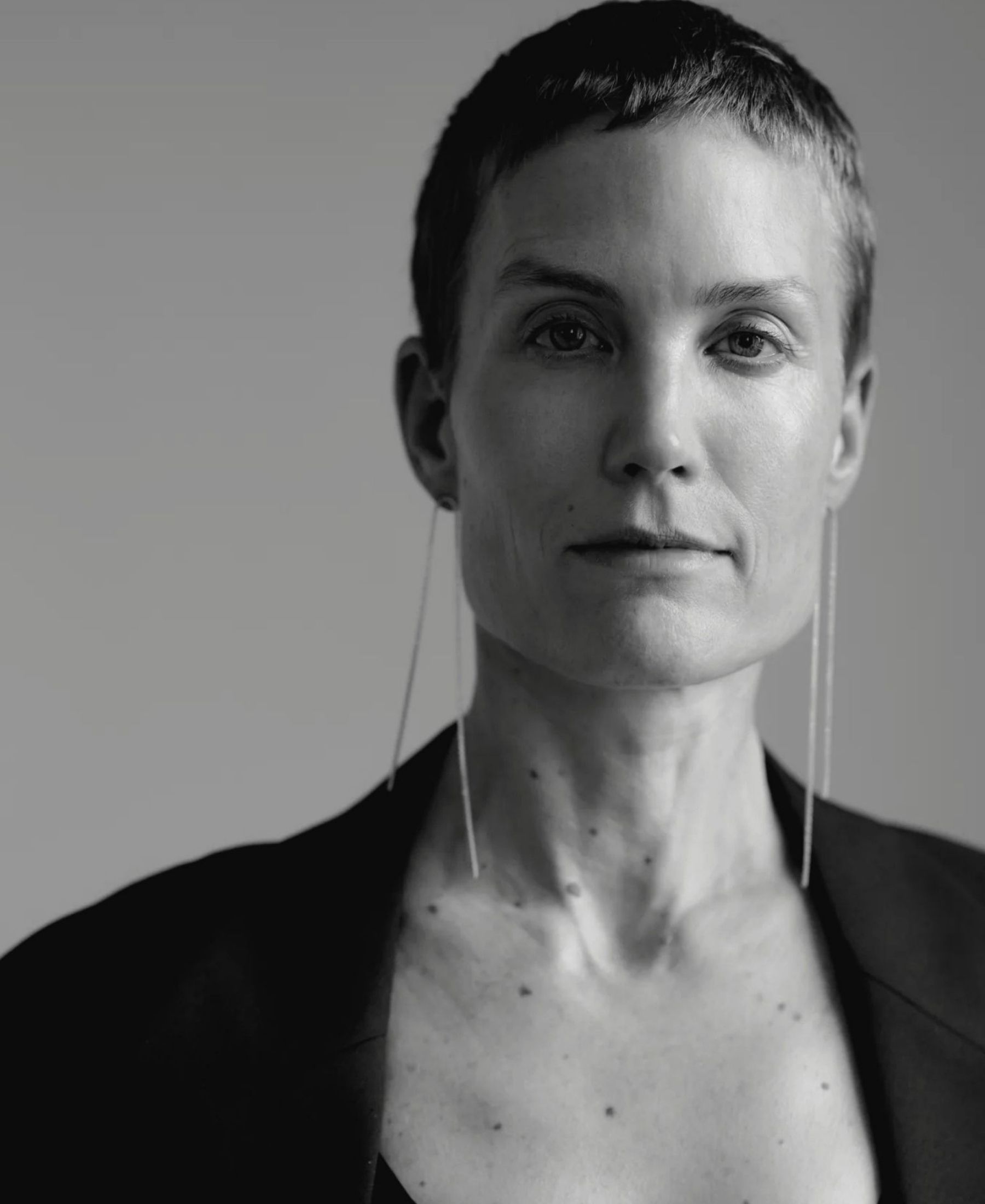
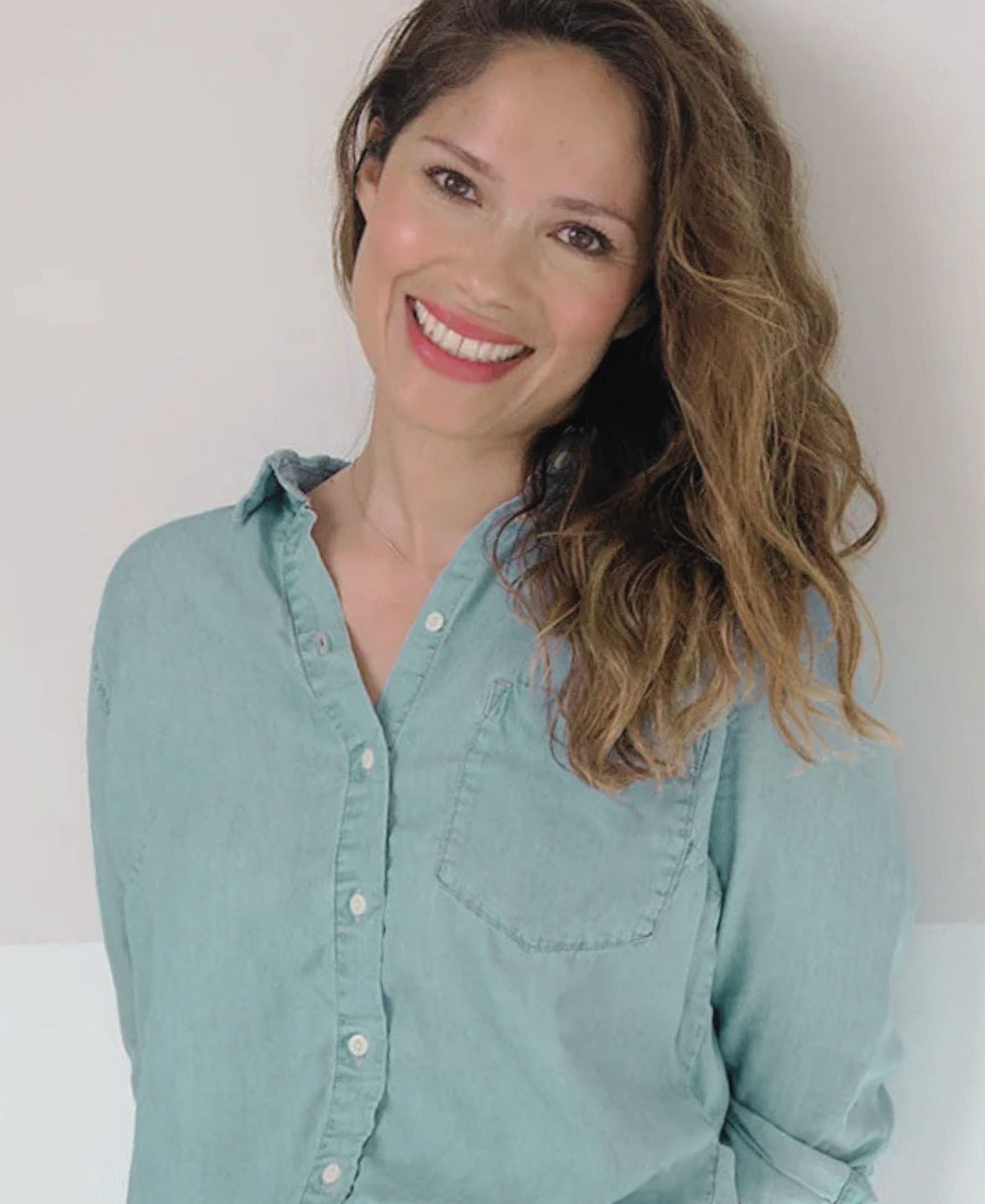
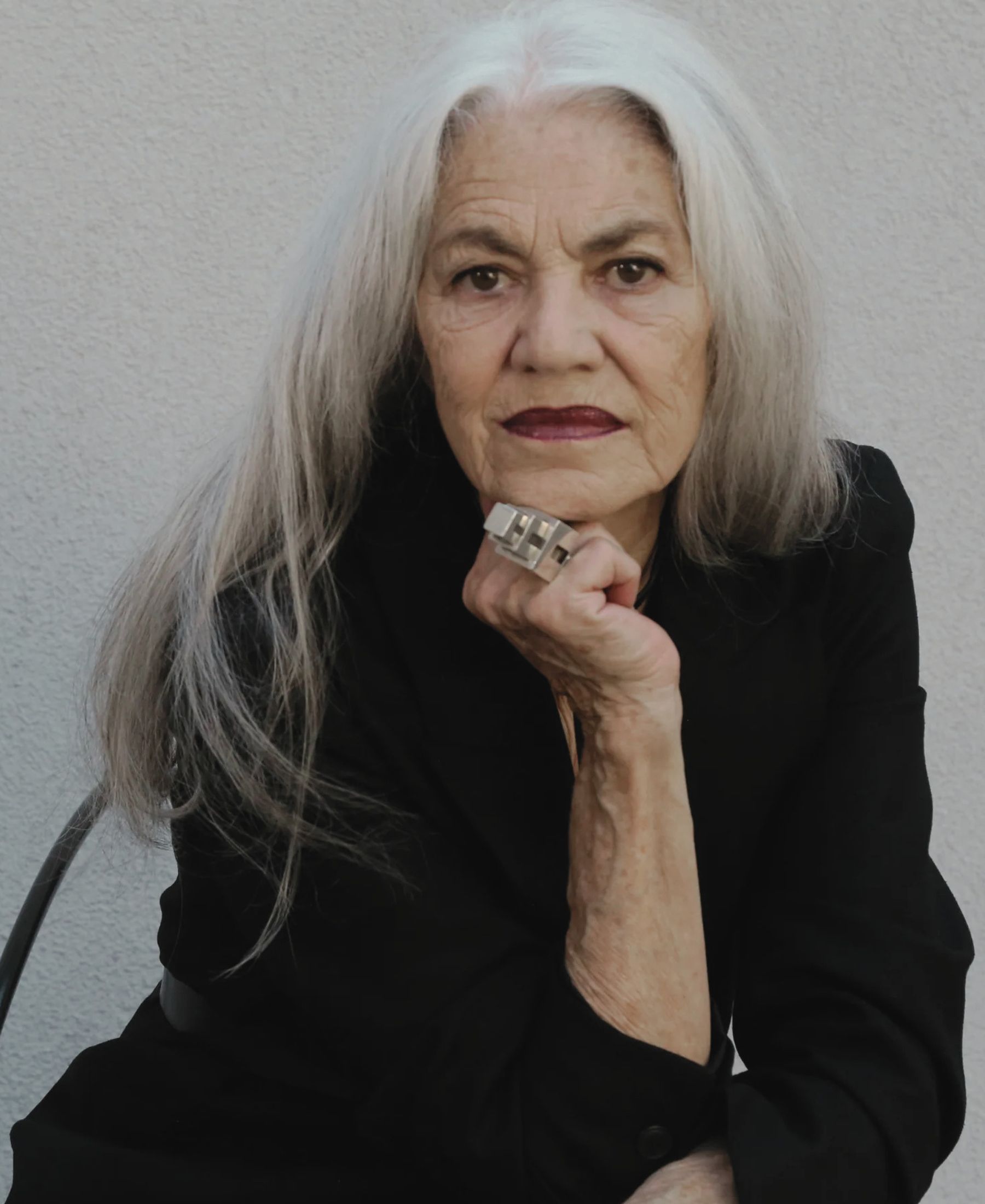
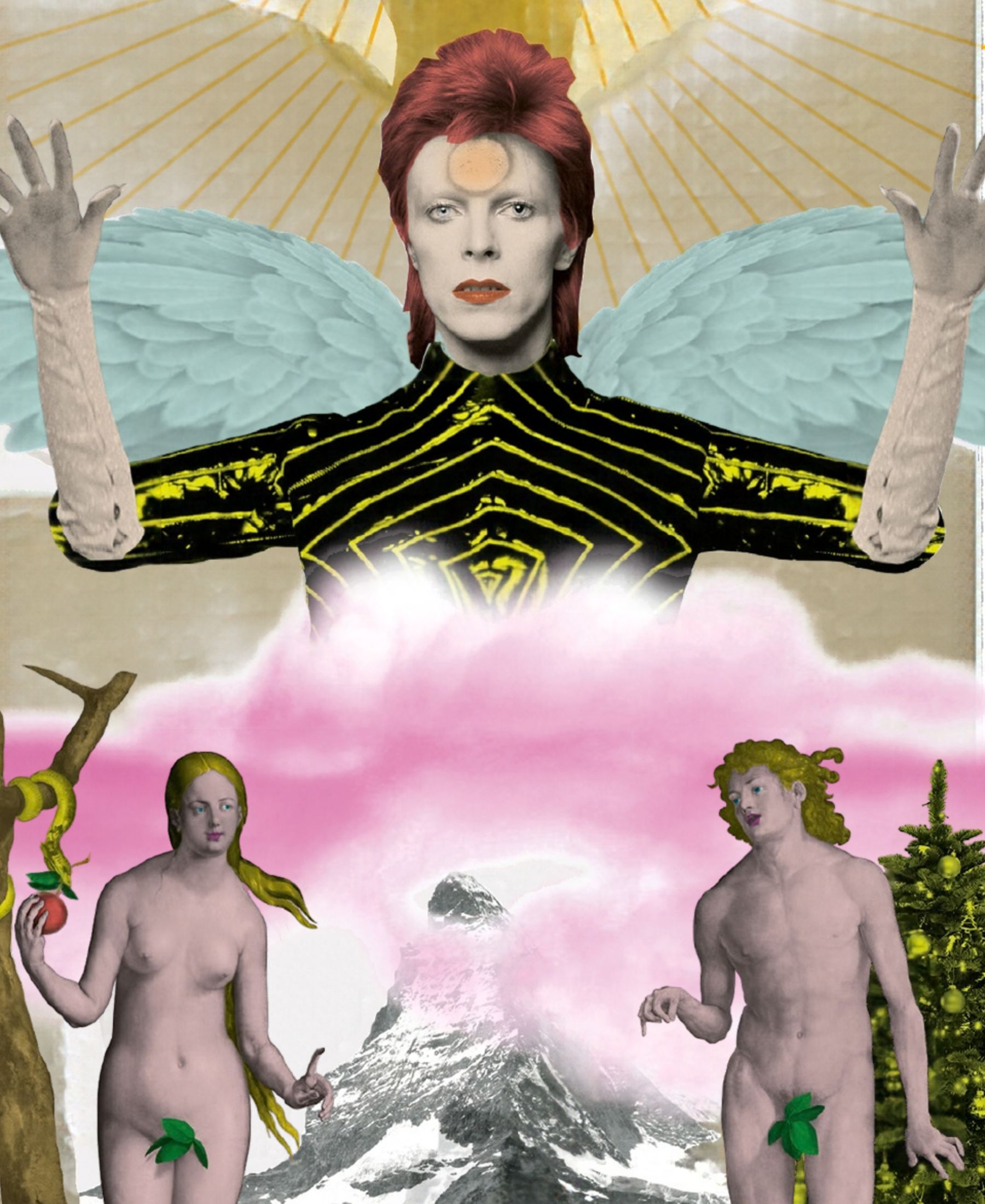
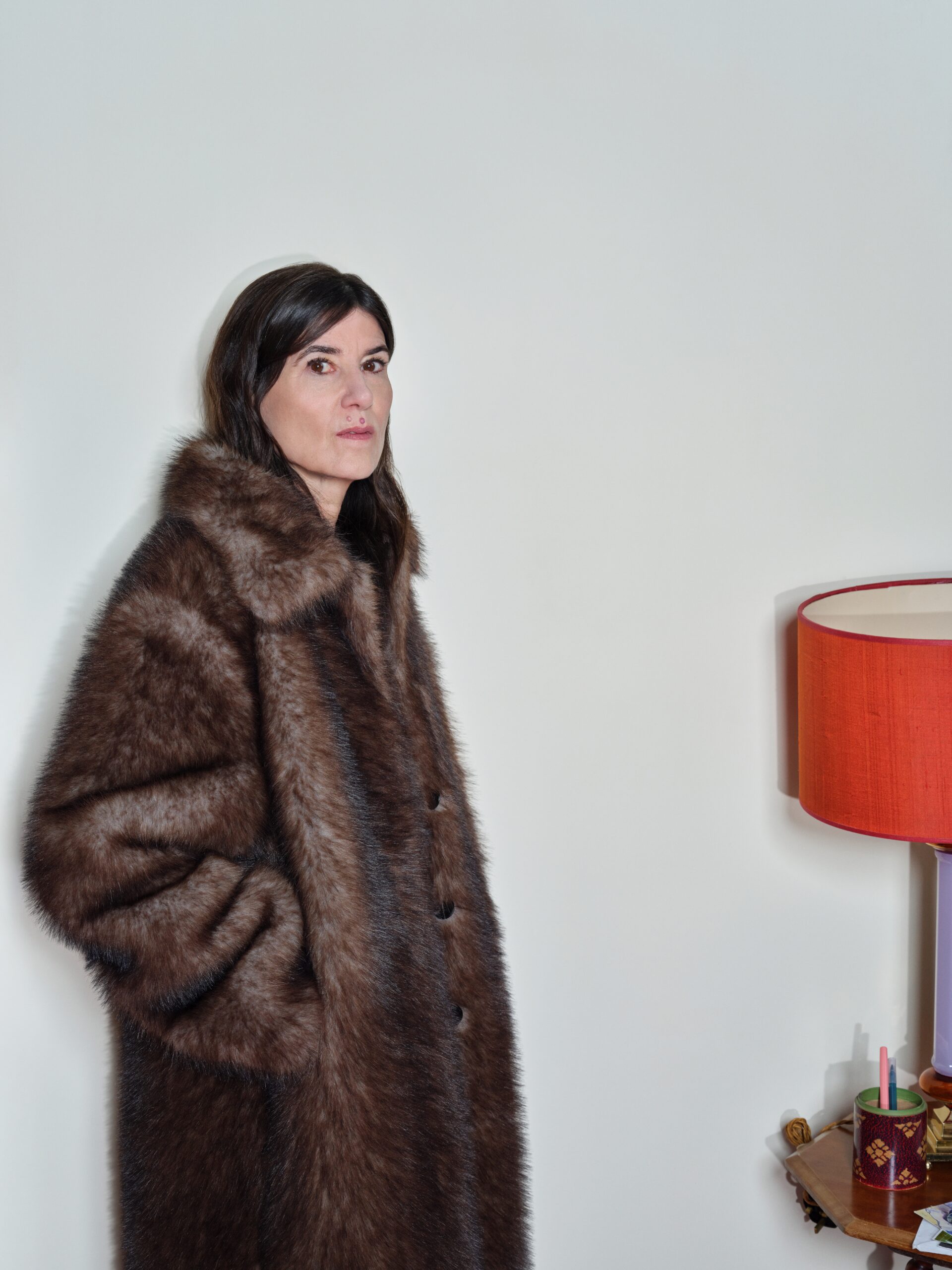
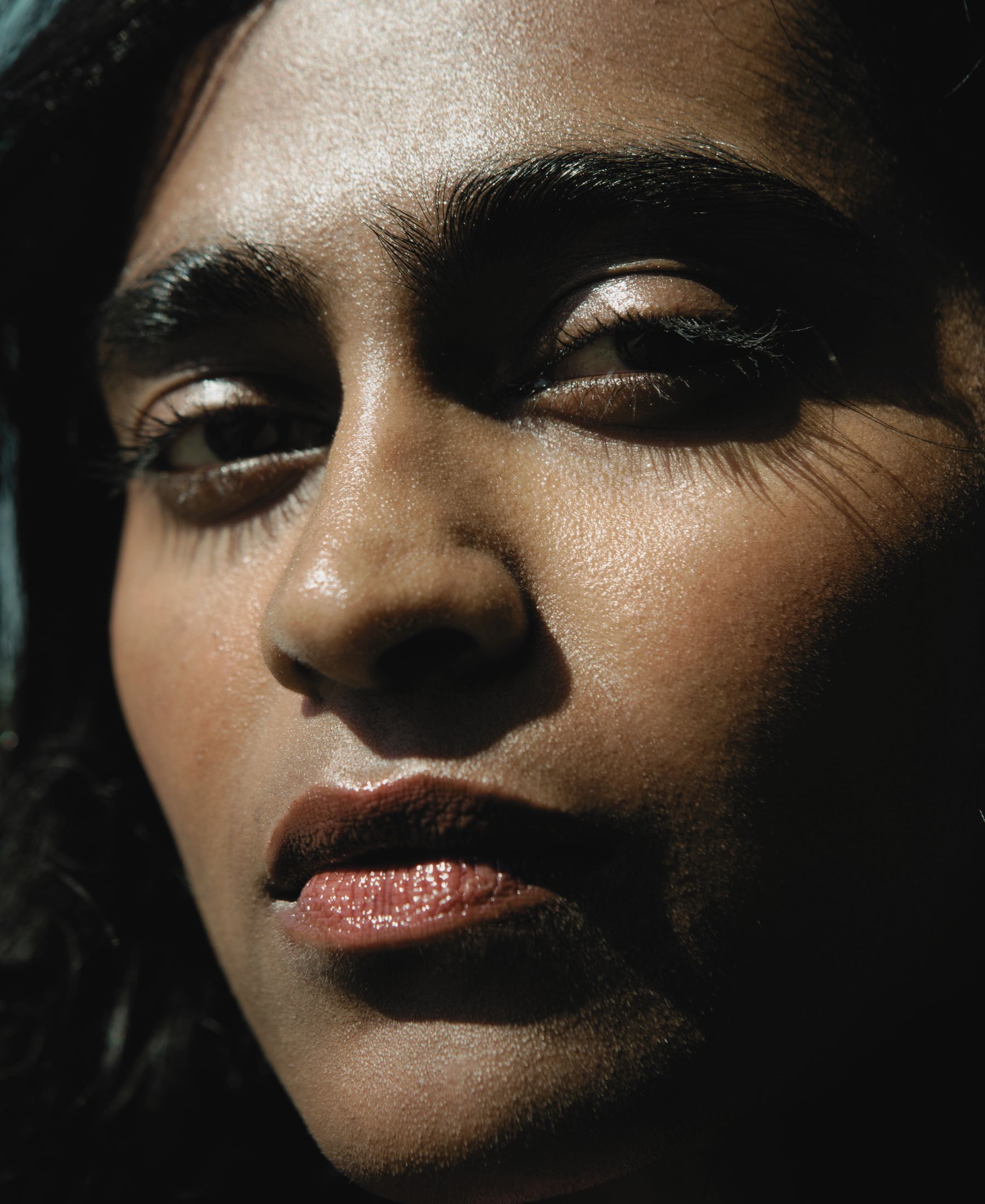
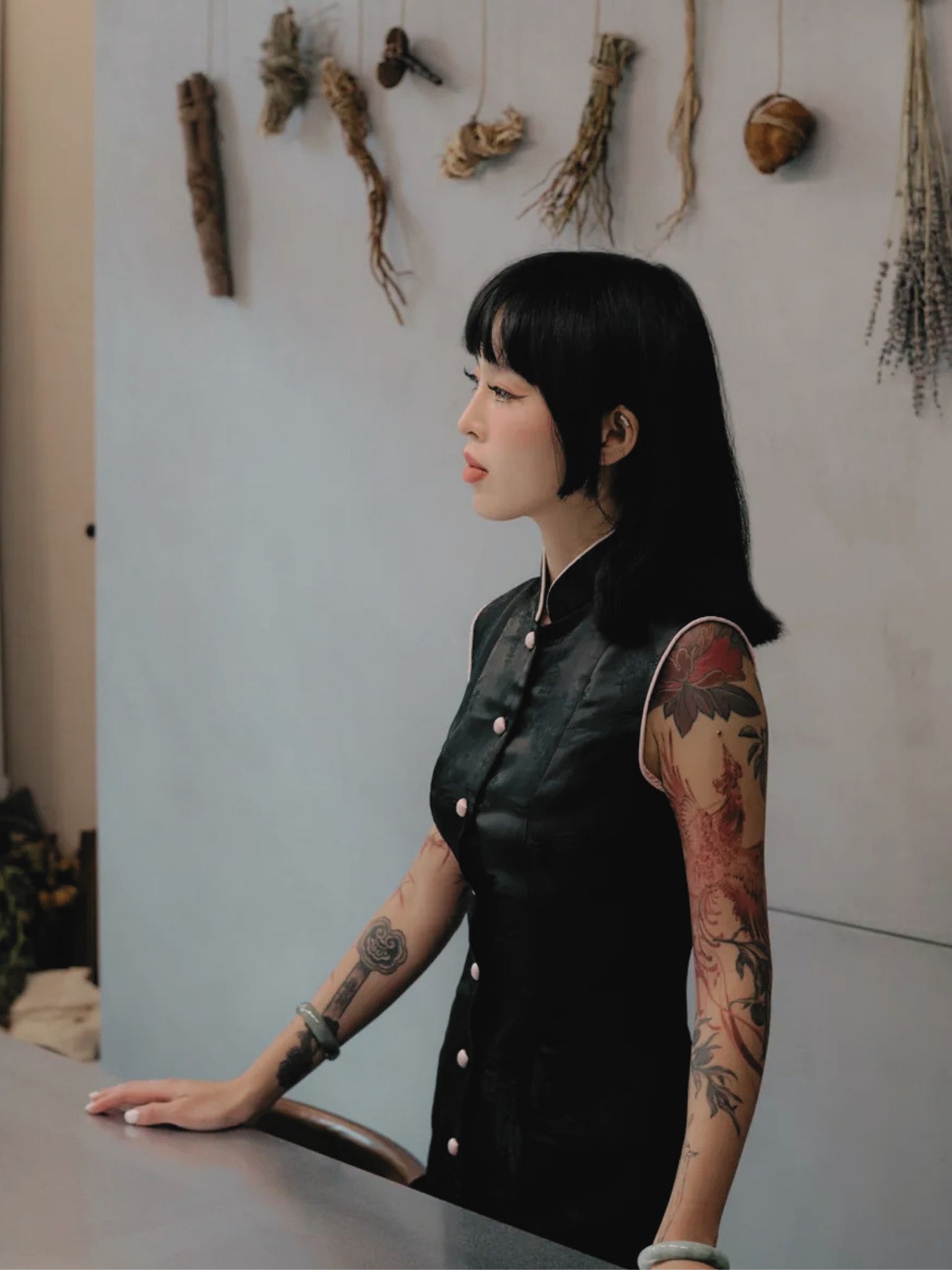
We know exactly how beauty ideals are made. We comply anyway. Between the optimisation routines, the filters and the wish to still look like ourselves, the contradiction has moved inside us. For the Super Flattering Beauty Index, Irène Schäppi put that question to 63 people.
TEXT By IRÈNE SCHÄPPI
Photos provided by subjects
In Short
Comparison is designed into social platforms; peer-reviewed research finds that scrolling, not posting, does the damage. In Super Flattering’s own survey of 63 people, 62 per cent say they feel the split between perfection and a more natural life in themselves. Asked what beauty is, almost nobody talked about appearance.
Dossier
Chapter I ― THE BEAUTY GAP
Scrolling, comparing, falling short. A mechanism that is no accident.
Are you tired too? I am, and then some. Beauty routines I could not begin to keep up with flatten me on sight, whether they come from social media, Substack channels or sometimes my own circle of friends.
Here’s a plausible morning. The alarm goes at 4.30am, and whoever it is starts by removing the gadgets: mouth tape, strategically placed scar patches meant to stop the lines you get from sleeping on your side or your front, castor-oil belly wraps and who knows what else. Then a round of supplements, ideally with creatine water, followed by at least 15 minutes on the vibration plate, red-light LED mask included. In the bathroom: layering several products, a gua sha massage or an ultrasound device for firmer skin, and sun protection, obviously. Then out for a run or a walk in a weighted vest. Back from the morning 10,000 steps, breakfast, as much protein as possible, or you won’t burn fat. Coffee only afterwards, since on an empty stomach it is said to push up your cortisol. All of it because a large part of our society is trying to look like Hailey Bieber, Anne Hathaway or Braden Peters, aka Clavicular.
And yes, I’m part of it. Which is why my Instagram archive is full of saved posts on face yoga, eating regimes, Pilates at home and whatnot, which I rarely if ever look at again. On top of that the constant comparison with whichever A-lister is up next, and a low, steady sense of not being beautiful enough. Not good enough.
There’s research to show I’m not alone in this. In August 2025, a research team led by Minhui Li showed in Frontiers in Psychology that it is scrolling through images of more beautiful bodies, rather than posting them, that raises body-related envy and dissatisfaction with your own body. The mechanism is called appearance upward comparison. A systematic review by Xu and colleagues, published in SAGE Open in 2025, reaches the same conclusion: women are structurally more at risk, not because of individual weakness but because this mechanism is built into the design of the platforms.
Instead of celebrating individuality and body positivity, social-media companies stoke misogyny on their own platforms. And consumption, of course. Which suits people like Mark Zuckerberg and Jeff Bezos rather well.
For this piece I spoke to 63 people of widely different backgrounds, occupations and ages. The voices that follow are a selection. Across those conversations, 62 per cent describe a split between perfected beauty on one side and a consciously natural way of living on the other. 63 per cent feel that society rates ‘being beautiful’ more highly than ‘feeling good’. Attractive people still have an easier time of it professionally and socially, the familiar ‘pretty privilege’.
The old hierarchies have not disappeared either. Attractive people are still perceived to have social and professional advantages, the familiar principle of ‘pretty privilege’.
Franzisca Gartenmann, founder of Keen Wellbeing, remembers the shift very clearly: ‘When Instagram really entered daily life around 2014, suddenly there were constantly curated images of ultra-slim bodies. I still remember those moments when I was convinced that beauty meant eating less, taking up less space.’
Her experience does not sound particularly unusual. That is precisely the point. The photographer Raphaela Pichler still catches herself asking: ‘Why do I still associate being slim with beauty?’ Even Heidi Clements, 65, a content creator and pro-ageing activist, knows the same old reflex: putting on weight pulls her down, she says, and she is frustrated that it still has that power over her.
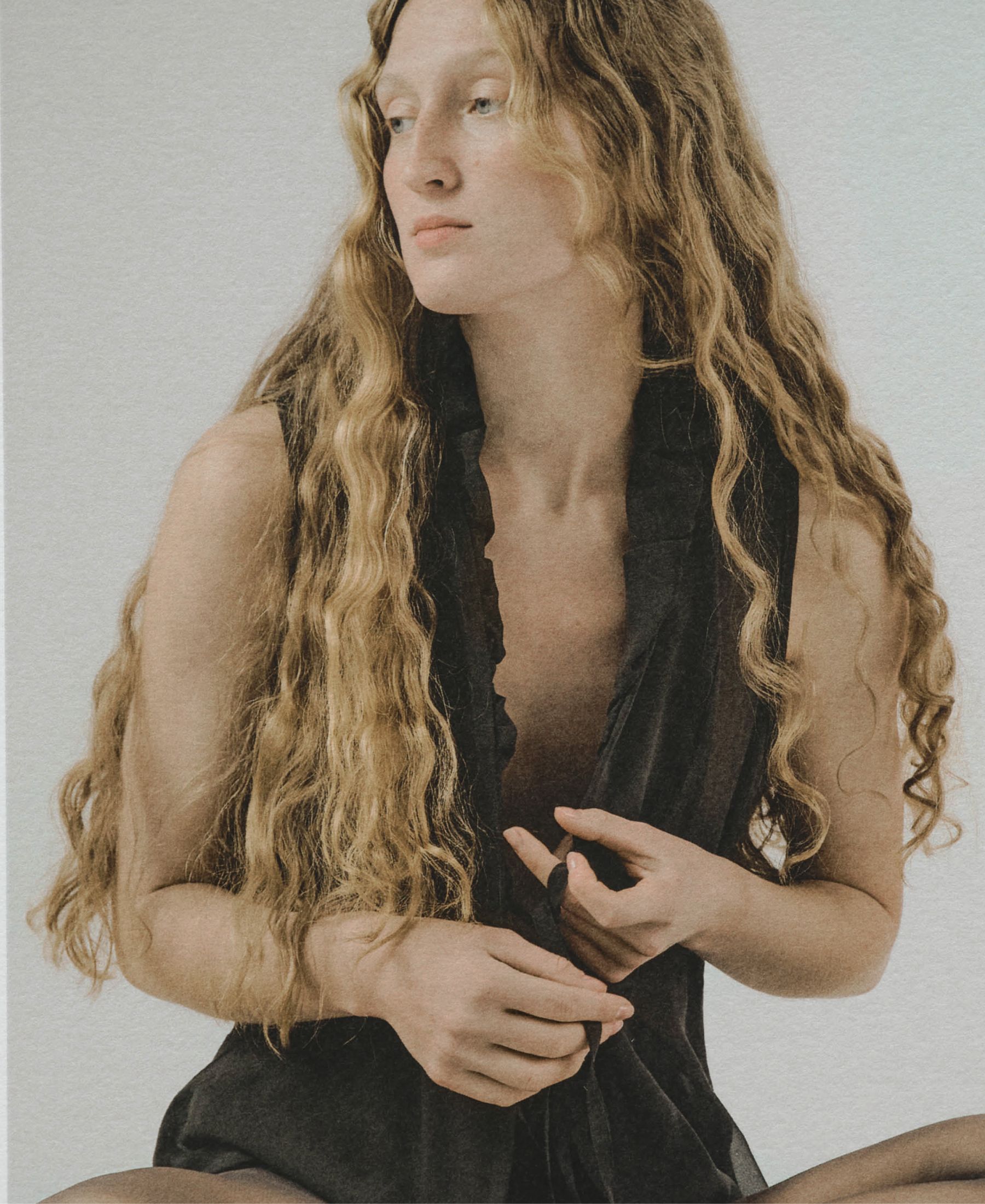
So what happens in a culture where Ozempic has become a status symbol? At the Oscars in March it was more obvious than ever: faces taut and highly polished, bodies thin and trained, almost disappearing into their haute couture. Demi Moore in her custom-made feathered Gucci gown. Numerous outlets called the look ‘dazzling’. Shortly after the ceremony, Kirsten Fleming of the New York Post had already declared the evening an ‘Oscars Ozempic parade’ and dared to ask whether anyone was ‘brave enough to tell these sickly stars how they really look’.
Ozempic, Botox, fillers and cosmetic surgery are no longer just a lifestyle choice. Once performance can be optimised, it rarely stays optional. Leyla Hajrovic, an influencer in the luxury sector, takes a dim view of all this: ‘We live in a time in which knowledge is more accessible than ever, about techniques, risks or choosing the right doctors. That makes it all the more difficult to watch people approach procedures, particularly invasive ones, almost casually. Social media in particular can play down or even romanticise certain treatments.’
Charles Blunier, creative director in Zurich and publisher of the international STUDIO Magazine, puts it this way: ‘Self-optimisation often suggests that we are not enough. I don’t believe in optimisation but in precision: not in becoming someone else, but in showing more clearly who you are.’ Philipp Rossmann, a freelance journalist, finds the whole debate ‘absolutely boring and devoid of style’. He has no wish to be injected with salmon sperm or anything similar, however much pressure comes from the people around him: ‘I love being able to move my face, including my forehead, even if that means I now have visible lines there.’
Elay Neal Moses, a photographer and film-maker, raises something we hardly ever talk about: ‘Ugliness sometimes feels almost like the illegitimate daughter who has been driven out of the village. I have the feeling that a more open conversation about ugliness could actually do beauty some good.’ Which raises the question of who has the right to decide about beauty or ugliness in the first place.
Chapter II ― CARE OR CONTROL
Longevity, biohacking, self-optimisation, and the question of who we are really doing it for.
We’re in a so-called holistic phase, and that’s no accident. Longevity, biohacking, self-optimisation: a multibillion-dollar wellness industry and a whole generation of self-optimisation gurus have declared these terms the new normal. One of my interview questions was: ‘How do you recognise when care turns into control?’ As someone who had anorexia as a teenager, I can answer that one well enough myself.
Stephanie Neubert, founder and editor-in-chief of HEYDAY, a magazine for women over 40, describes it like this: ‘Taking care of yourself can be something very beautiful: movement, care, health. But when it becomes permanent self-surveillance, beauty loses its lightness. For me, the most important question is: am I doing this out of care for my body, or out of fear of not being enough?’
Hugo Tiburccio, CEO of The Front Row Group, with offices from Los Angeles to Tokyo, answers poetically, and without hedging: ‘… when my inner voice becomes punishing. When rituals stop being supportive and start to feel compulsive, when numbers dominate the mood and the mirror becomes a place of inspection rather than recognition.’ I know what he is talking about. In perimenopause, and with a few extra kilos to show for it, I am still in the thick of it.
These conversations help. The one with Kelley Ralph, for instance. The transpersonal integrative psychotherapist from London says: ‘I no longer look at the outer shell. I sense the level someone is operating on, and that tells me far more than any face.’ Which leads me straight to the next question: what do faces reveal about us, even when we don’t want them to? Or when they no longer can?
On the street or in our feeds, more and more faces, women’s and men’s alike, have become almost indistinguishable. That is not a judgement, more an observation backed by research: the systematic review by Xu and colleagues finds that social-media platforms structurally homogenise beauty ideals, regardless of origin, age or skin tone. Not because we all want the same thing. Because the algorithm keeps showing us the same thing. Matin Maulawizada, a make-up artist in New York who has been preparing celebrities for red carpets for decades, says: ‘When it’s well done, my first thought shifts from “wow, pretty” to “wow, there’s nothing distinctive left”. Everything melts into a template.’
Chapter III ― THE UNMOVING FACE
What faces tell us, and what happens when they no longer can.
There is a region of the brain called the fusiform face area that specialises in faces. Much of what we read in them is patterns of movement. When those patterns are missing, we experience a face as vague, diffuse. Even when it is technically perfect. In Allure in January 2026, the American beauty journalist Valerie Monroe took the term uncanny valley, coined by the Japanese roboticist Masahiro Mori in 1970, and applied it to Botoxed faces: that strange unease that arises when something seems almost human, but only almost.
What lies behind it is more than an aesthetic problem. In April 2026 in The Cut, Emmeline Clein pointed out that a great deal of our emotional education runs through micro-expressions, those tiny, unconscious movements of the face that we neither produce on purpose nor consciously perceive. Anyone who can no longer show them loses more than their own range of expression. The face becomes unreadable to others. Negative emotions stay hidden in it too.
Melanie Winiger, model, presenter and entrepreneur, calls it what it is: ‘You can’t Botox away your frustration. You can Botox away wrinkles. But the frustration sitting deep inside, that stays.’ Anna Rosenwasser, member of the Swiss National Council, says: ‘Everything that makes us look younger allows us to express less anger, facially.’ Or joy.
I learned that myself in 2018, when I had my frown line injected, absurdly, just before a video shoot on face yoga for the old Friday magazine. And because I found it so embarrassing afterwards, I never had Botox again.
Young faces are pleasing faces, faces that ask less of us. At Hergett, content creator and product designer with Thai roots, took a long time to free himself from this dogma. As the only Asian child at his nursery, he had a distorted picture of how he was supposed to look; back then he even wanted surgery on his nose. Over time he learned to stop taking Western beauty standards as the automatic benchmark: ‘Ever since I stopped seeing only Eurocentric features as beautiful, I can see beauty in everything.’ Philipp Rossmann: ‘I’m convinced that natural facial expression will make a comeback in a few years, and that signs of ageing will come to be considered chic.’ I hope he is right.
Joëlle Ciocco, facialist in Paris and founder of the Épidermologie® method, has spent more than fifty years on understanding the ‘skin-soul’ relationship, deeply convinced that the skin’s natural equilibrium is the key to its longevity. Her verdict on excessive beauty regimes is blunt: we have lost the basic hygiene routine and make up for it with a kind of ‘cosmetic obesity’, too many products, too much layering, active ingredients that fight each other, all at the skin’s expense. She invokes Plato: ‘Truth, goodness, beauty, three foundations indispensable to the growth of the inner life.’
That quotation reminds me of a Taoist idea that makes complete sense to me: our energy shapes our face. Not what you do, but how you are. A person who is completely themselves has a magnetic force you cannot look away from. Whether the corners of their mouth droop or they have a turkey neck is entirely beside the point.
It sounds like wellness-speak, I know. But then Sophie Carbonari says something that captures the idea perfectly for me: ‘Beauty is coherence. It emerges when the inside and the outside stop fighting each other. Beauty is not smoothness. It is integrity.’ No wonder the likes of Naomi Campbell and Rihanna swear by the Paris skincare specialist.
Chapter VI ― THE COUNTER-MOVEMENT AND ITS LIMITS
Pro-ageing on the runways. SkinnyTok in the feed. Where does this contradiction come from?
That conviction is still quiet, but it’s starting to look like a counter-movement. When Joan Juliet Buck, 77, former editor-in-chief of French Vogue, posted a bathroom selfie in March, without make-up and without a filter, it went viral. Her caption: ‘The face I never thought I had.’ Buck showed that the old line about growing old not being for the faint-hearted is losing its grip, at least where beauty is concerned.
According to an April 2026 report in the New York Times, only five per cent of the top 20 brands sent plus-size models down the runway at the most recent shows, while all of them cast older models. Chanel opened its autumn/winter ready-to-wear show in Paris with Romae Gordon, 50. Backstage, Matthieu Blazy’s instruction was clear: no retouching, no making anyone look younger. ‘Come as you are’ was the brief.
The sociologist Ashley Mears, a professor at the University of Amsterdam, names the paradox plainly: older women are more visible, but they do not look their age. Visibility has its price. La Rica, performer, drag artist and journalist, puts it more bluntly still: ‘The world is becoming more fascist, and these tendencies are reflected in beauty ideals. Those who can afford it optimise themselves, harden their bodies, rely on analysis tools and cosmetic surgery. Everyone else has to figure out how to keep going, if they even have the time to think about these questions. Often it’s about survival.’
Word. Because while the runways appear to be having a pro-ageing moment, SkinnyTok is raging on social media. The French politician Clara Chappaz called the hashtag ‘disgusting and absolutely unacceptable’, after which TikTok removed it from search results worldwide. SkinnyTok is still there regardless, hidden behind so-called health tips.
Joanita Sidi, who works in Ghana as an intercultural operations and customer experience manager, names another physical shift she has been watching for years: ‘As a Black woman, features like larger bottoms or fuller lips were once mocked. Today, many white women are surgically appropriating those exact forms. I find that troubling on several levels.’ What the beauty industry or the Kardashian-Jenner clan puts forward as the norm today has little to do with inclusion. It is one more absurd beauty ideal.
Remarks like Franziska Glauser’s are at least something to hold on to. The content creator and plus-size activist says: ‘Diets, that self-hatred cost me 20 years of my life. I never want to go back there.’ And then there is what the contemporary dancer and singer Momo Tanner said about her mother: ‘She is seventy years old, and to me she is still the most beautiful woman in the world. Since she turned sixty, she says, her life just keeps getting better every day. There is something wonderfully childlike in her aliveness.’
Which makes me think straight away of my current favourite de-influencer, Leon of @xskincare, who keeps insisting in his Insta and TikTok videos: ‘You’re all beautiful exactly as you are!’ Leon himself became the target of a wave of body-shaming hate after a TV appearance in early 2026. Which says it all, really.
Chapter V ― GLIMMERS OF LIGHT
Where the pressure eases, and what comes into view beneath it.
In The House of Beauty (W. W. Norton, 2025), the writer Arabelle Sicardi describes beauty as an ocean full of things, and all of us as people trying not to drown in it while reaching for someone else’s hand in the wreckage. Which is partly why the 63 conversations I had for this piece brought light and hope.
What struck me in them: almost nobody described beauty in terms of appearance. The Munich-based jewellery designer Saskia Diez says: ‘For me, beauty has a lot to do with love.’ Nick Steward, founder of the fragrance label Gallivant, names imperfection: ‘The most beautiful things have a touch of imperfection in them. They feel lived-in.’ Lina Hanson, founder of the skincare brand that bears her name, puts it most simply: ‘Beauty is not something we achieve or correct. It is something we embody.’
And one more conversation has left me less afraid of ageing, for myself as much as for my partner. Carmen Meier-Meister, who at around 75 works successfully as a model and appears on international runways, says: ‘Every person has something beautiful. Whether it is charisma, attitude, individuality, naturalness. Today it does not have to be beautiful, today it has to be interesting and expressive. That is true beauty. And: being real is better than being perfect.’
Honestly? I’d happily have Carmen’s last sentence tattooed on my right forearm, right beside the Greek word for light and the English word victory. This research and these conversations have left me hopeful about where beauty is going. And Sophie Carbonari is right when she says: ‘Beauty is not something you chase. It is something that happens when you stop fighting against yourself.’ Still, the fight in me rages on.
But I had a kind of epiphany recently, to do with my current weight. I am at a stage of life that clearly asks for more substance and more strength. A very, very slim Irène could not carry the emotional load of my days right now. I am grateful for that, and these days I manage to say to my reflection: I love you. You are beautiful. And: you’re good just as you are.
The Super Flattering Beauty Index first appeared in Super Flattering print issue N°01, Summer 2026.